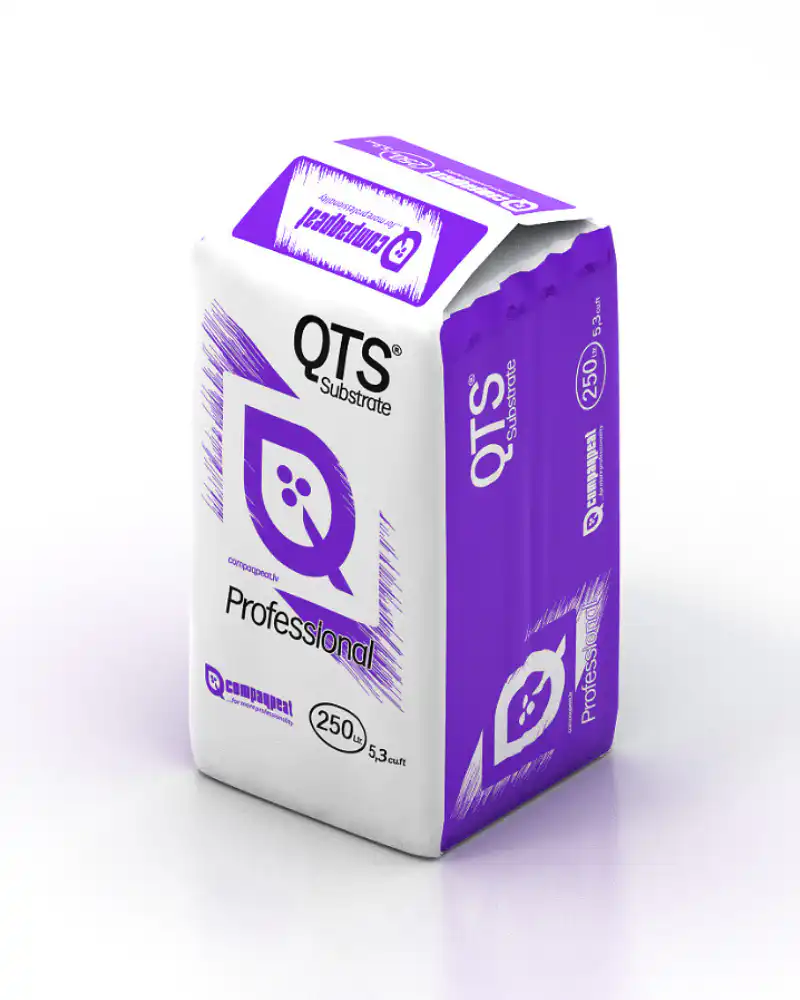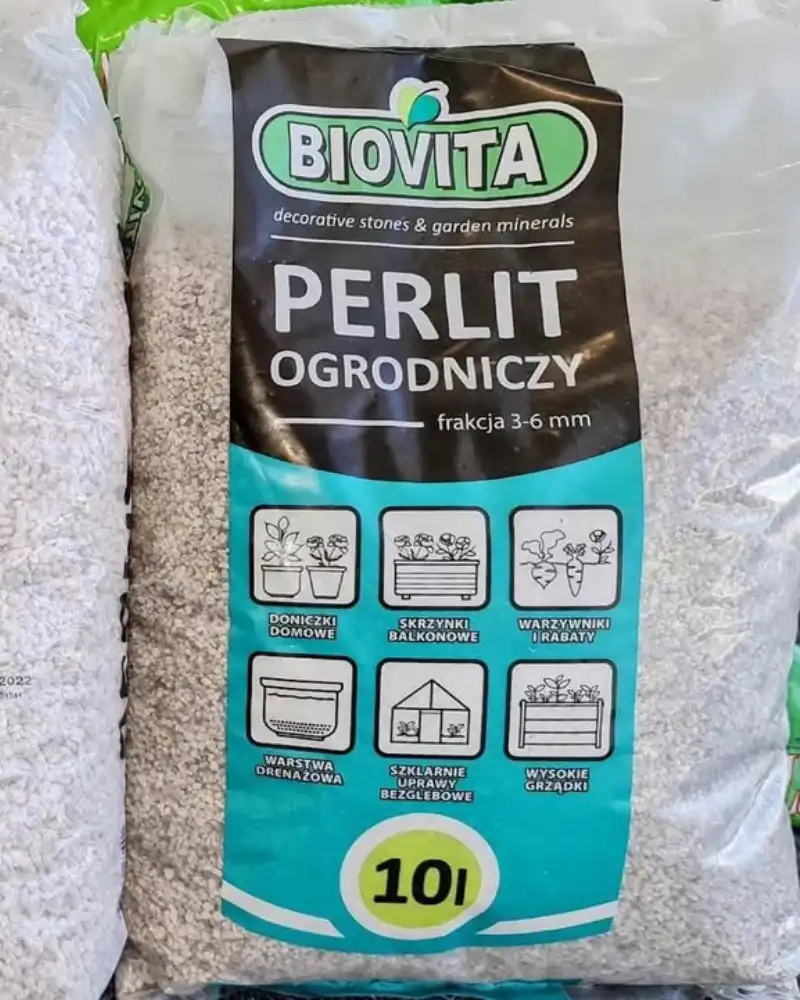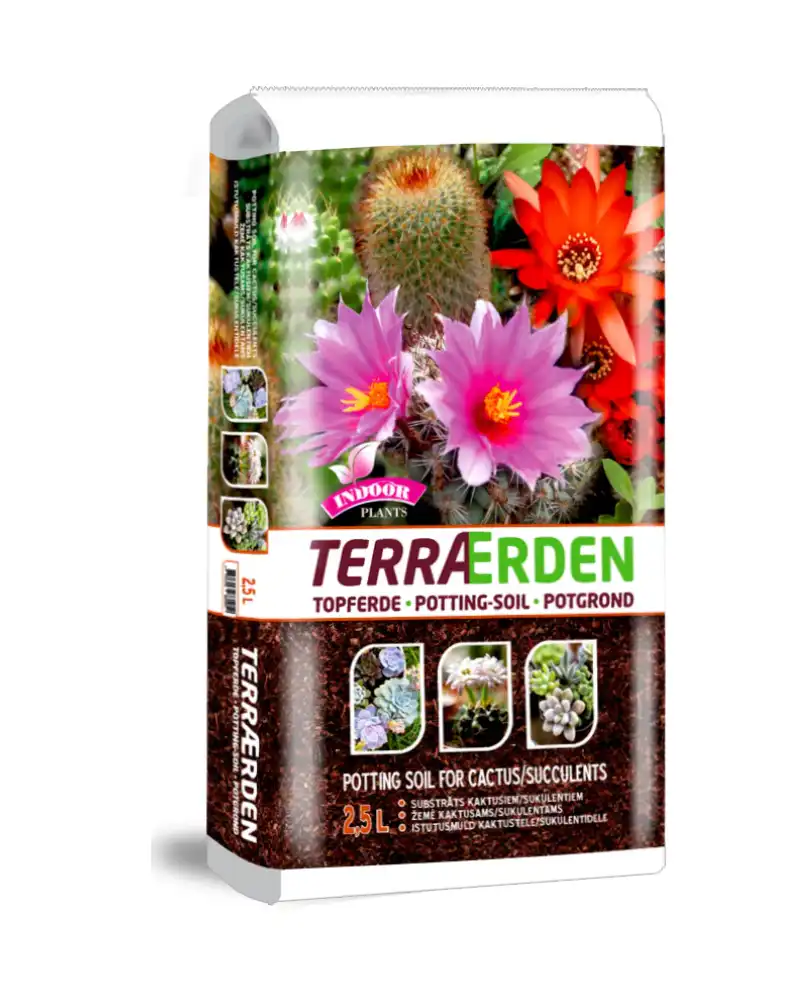



If you are wondering when which plant should be planted and which one substrate while using it for its best growth and development, you are in the right place. In this text, we will present you a guide for planting plants in a moderately continental climate such as ours, you will find out in which months you should sow or plant and which substrate to use for a good plant start.
Planting vegetables - When to plant vegetables and what substrate is used?
When it comes to seasons, vegetables are planted:
- In early spring: most often in March and April. At this time, more resistant crops such as peas, spinach, radishes, lettuce, Swiss chard, onions and other more resistant plants are planted. Sowing is done directly in the ground or in a seedling tank.
- In the height of spring: during the second half of April and in May. Then we sow the seedlings (tomatoes, peppers, eggplant) in pots or planting containers, and when the last frost passes, we transplant them into the garden.
- In late spring, at the very beginning of summer: in May and early June. We plant cucumbers, zucchini, corn and other crops that like warmer soil. Sowing is done in the ground or seedlings are planted.
- In the fall: September and the very beginning of October. The seedlings that we want for the winter, root crops, autumn sowing of onions and garlic and crops that tolerate lower temperatures are planted.
What substrates are used for vegetables?
Substrates for vegetables can be divided into three types according to use:
- For sowing seeds and seedlings — composts are used for seedlings. Fine structures, sterilized, free from harmful pathogens and weeds. Such a substrate is light, well-draining and with a low nutrient content so that the young roots are not burnt. For the homemade mixture, finely sieved sterile humus is used, to which fine sand or perlite is added in a ratio of 2:1.
- For transplanting and vegetables in containers — quality composts with good drainage additives are used. The transplanting substrate must have balanced nutrients for established seedlings.
- For vegetables in containers for the long term — choose a competent, fertile, but well-ventilated substrate (peat-free if you want a more sustainable option). Add perlite, vermiculite or coarse sand for better drainage if needed.
When to plant fruit (fruit seedlings and berries)?
- Late autumn: When the leaves fall in late autumn, or in early spring before the start of vegetation, the bare roots of fruit trees are planted because the roots have enough time to get used to the new conditions before the start of vegetation.
- Throughout the season: Practically during the entire planting season, planting in containers and pots can be done, with the fact that it is most advantageous to plant them during the spring in order to reduce the chance of the roots experiencing shock during transplanting.
Substrates for planting fruit
Substrates suitable for fruit crops are often mixed with mature manure, but it must be kept away from the roots so as not to burn. The soil removed from the hole should be mixed with compost that has a higher pH value and is intended for blueberry seedlings and similar crops that require acidic soil. It is convenient to choose a substrate with the addition of perlite and slow-dissolving NPK fertilizer, as well as a wetting agent, because this mixture is suitable for retaining moisture and provides good aeration to the roots.
When is the ideal time to plant flowers?
Seasonal guidelines for planting flowers could be presented as follows:
- Bulbs (hyacinths, daffodils, saffrons) — are planted in autumn (ideally from September to November) for spring flowering.
- Annual ornamental plants (petunias, begonias, impatiens, velvets, salvia and others)— are usually sown in greenhouses or indoors for seedlings in early spring and transplanted into the garden after the last frost in spring and when there is no fear of frost.
- Perennial plants (lavender, echinicea, lepa kata, creepers such as clematis and others) — are planted in spring or autumn, depending on the species and conditions.
What are the best substrates for flowers?
The type of substrate is chosen according to the needs of the flower. For example, most perennials like and thrive in a universal substrate of 100% peat, a mixture of black and light, with optimal pH values of 5.5–6.0. On the other hand, annual flowers like surfinia require special granulation of the substrate fraction 10–40 mm, pH value 5.0–5.5 in H₂O, with the addition of clay, NPK fertilizer and wetting agent. Such types of substrate have a larger structure that allows the roots to branch out quickly, and the added clay ensures that sufficient moisture is retained.
When are conifers and ornamental, shrubby trees planted?
The ideal time for planting conifers is early spring, before the period of vegetation and active growth, or in autumn before the first frosts while the soil is warm. Fall planting is convenient because the roots can establish growth during the dormant period, and spring planting is safer because the risk of frost is reduced. The roots of conifers and woody plants are resistant, but planting on days when the morning temperature is below 5 °C should be avoided in both seasons, and the safest planting is when morning temperatures are stable for days and reach 8 °C.
Substrates used when planting conifers
Most conifers prefer a well-drained site to allow the roots to spread freely and a slightly acidic to neutral soil. For potted conifers, a substrate of fraction 0–40 mm, pH value 5.5–6.0 in H₂O, with the addition of clay, NPK fertilizer and wetting agent, specially adapted for growing conifer, or a homemade mixture of garden soil and compost with the addition of coarse sand for drainage is made.
What should be considered before planting plants?
Before planting plants, the following should be considered:
- Even if they are of the same species, not all plants are suitable for planting at the same time, nor are they suitable for the same substrate. Before planting, carefully research the conditions that the plant requires in order to transplant it at the right moment in the right place and to choose the ideal substrate for it.
- Test the pH value of the soil and read the substrate declaration to adapt to the needs of your plants.
- Choose proven substrates, factory-packaged and sterile mixes to reduce the risk of disease and pests.
- Be mindful of irrigation and drainage, provide plants with good soil and a substrate that has a balance of moisture retention and drainage to prevent problems with excess moisture and plant disease.
Planting plants is a responsible business that requires research and proper choices, but with proven substrates and the right information, planting is a pure pleasure that results in luxuriant flowering and flourishing of our favorite plants.