


Without quality substrate there are no healthy plants either. However, when choosing a substrate, it happens that, out of the desire for the plant to grow faster and be as strong as possible, we make wrong moves that can cost us the health of the plant.
Read below what are the most common mistakes when choosing a substrate and how to avoid them.
Purchase of universal substrate for all plants
When planting, many people reach for any substrate and use it to plant everything from orchids to conifers. It should be taken into account that each plant has different needs and that there is no magic mixture that suits all plants at the same time. Before planting and buying the substrate, you should research the needs of the plant and adjust the composition of the substrate to meet its needs.
Some plants require moisture, others need a drier substrate, they differ in terms of pH needs as well as numerous other characteristics, so we must always check which substrate would be the best choice before planting.
Failure to read the label and composition of the substrate
Many choose substrates based on price, brand name or availability, which is a big mistake. Cheaper versions of the substrate that are available in agricultural pharmacies, markets and nurseries contain too much peat, sand, sawdust and other low-quality additives that can lead to water retention, compaction of components, suffocation of the roots and eventually their rotting.
When choosing a substrate, it is very important to read the label, which states the composition and ratio of components, pH value, the addition of slow-dissolving fertilizers, as well as the purpose, whether it is for indoor plants, flowers, vegetables, conifers and secondly.

Choosing too heavy substrates
There are many dense, heavy substrates on the market that do not allow water to pass through and that lead to root rot. The weight and permeability of the substrate depends on the ratio perlite, vermiculite, sand or coconut fibers in the mixture, which then depends on the permeability, airiness and flow of oxygen to the plant roots. That's why you should always choose substrates that have the right ratio of components.
Unverified quality and origin of the substrate
If we buy substrates of an unproven brand and of unknown origin, it may happen that we introduce soil full of fungi, larvae or mold into our garden. Such substrates usually stand for months in the sun, rain, are subject to drastic temperature changes and develop garden pests inside the package that destroy the plant very quickly.
Always buy verified, as this drastically reduces the risk of plant diseases.
Ignoring the pH value of the substrate
Many people do not pay attention to the pH labels on the package, and the entire growth and development of the plant depends on the appropriate acidity of the soil. The aggravating circumstance is that the wrong choice of pH value is an invisible problem, and the plant can rot even though it seems to have all the conditions, enough light, regular watering and fertilizing.
Many plant cultures require acidic soil, while others like neutral soil, therefore it is very important to check the acidity required by the plant and adjust the substrate accordingly.
Purchase of custom-made substrate
Often in agricultural pharmacies or in nurseries you will have the opportunity to buy bulk substrate by the kilogram, however, this is one of the biggest mistakes. Substrate that has been standing in the open is the same as food for human consumption outside of its packaging. Therefore, apart from the fact that it can dry out, expire, and be contaminated with fungi, bacteria and molds, this substrate is usually microbiologically "dead" and can only cause damage to the plant's roots.
When you open the package of substrate, the contents must be loose, light, slightly moist and with the smell of healthy soil, not moldy, dry or too wet.
Choosing a substrate with too many nutrients
In order for our plant to adapt to the new environment as quickly as possible and start root growth, we often reach for substrates that contain an excessive amount of slow-dissolving fertilizers. Substrates that contain too many nutrients can burn the roots immediately after transplanting, so you should choose substrates that have a uniform structure because this is a prerequisite for even moisture retention, root ventilation, stable plant growth and its unhindered development in a healthy environment.
Proper selection of substrate for your plants
In order to choose the substrate for your plants correctly, consider the following steps:
- Define the type of plant.: Investigate what the plant likes and what it likes, whether it likes moisture, drier soil, what pH value of the substrate suits it, and the like.
- Check the purpose of the substrate.: The packaging of the substrate states whether it is for indoor plants, cacti, orchids, conifers, citrus fruits, sowing, picking, transplanting. Read the purpose carefully and adapt to your plants.
- Read the composition carefully.: On the product declaration, check the amount of peat in percentages, the pH value, the amount of additives in the form of perlite, coconut fiber, slow-dissolving fertilizers, sand, etc., and adjust to the needs of your plant.
- Pay attention to the structure.: The substrate should be airy, light, well packed and fresh, and when you press it with your hand, it should not compact but be moderately moist and spread in your hands.
- Check the shelf life and the proportion of the fertilizer: Check whether the substrate is within the deadline and whether it contains fertilizers, because the further use of liquid or slow-dissolving fertilizers in granules depends on the amount of fertilizer in the substrate.
Choose the best for your plants, carefully read the descriptions on the packages and ask experts when choosing. In the Supstrati Maki assortment, you will find products that guarantee the healthy development and growth of your plants, and you can answer any questions you may have contact our expert team.
Price range: 1.140,00 RSD through 3.534,00 RSD
Select options
This product has multiple variants. The options may be chosen on the product page
Price range: 105,00 RSD through 1.056,00 RSD
Select options
This product has multiple variants. The options may be chosen on the product page
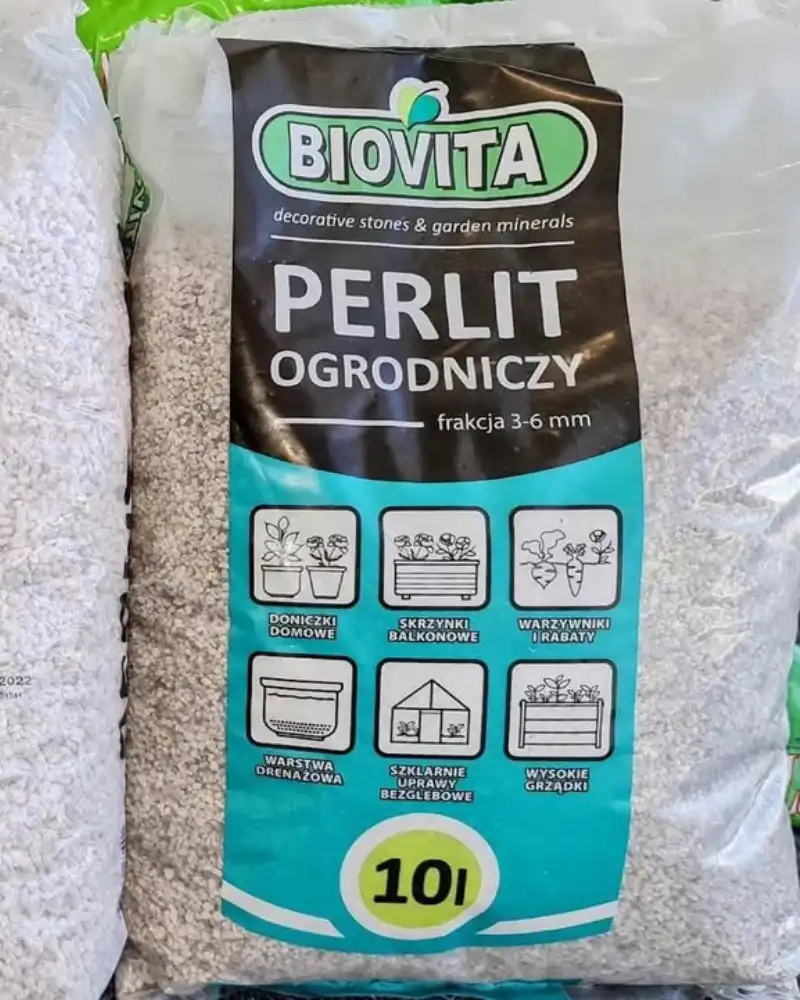
Price range: 684,00 RSD through 2.622,00 RSD
Select options
This product has multiple variants. The options may be chosen on the product page
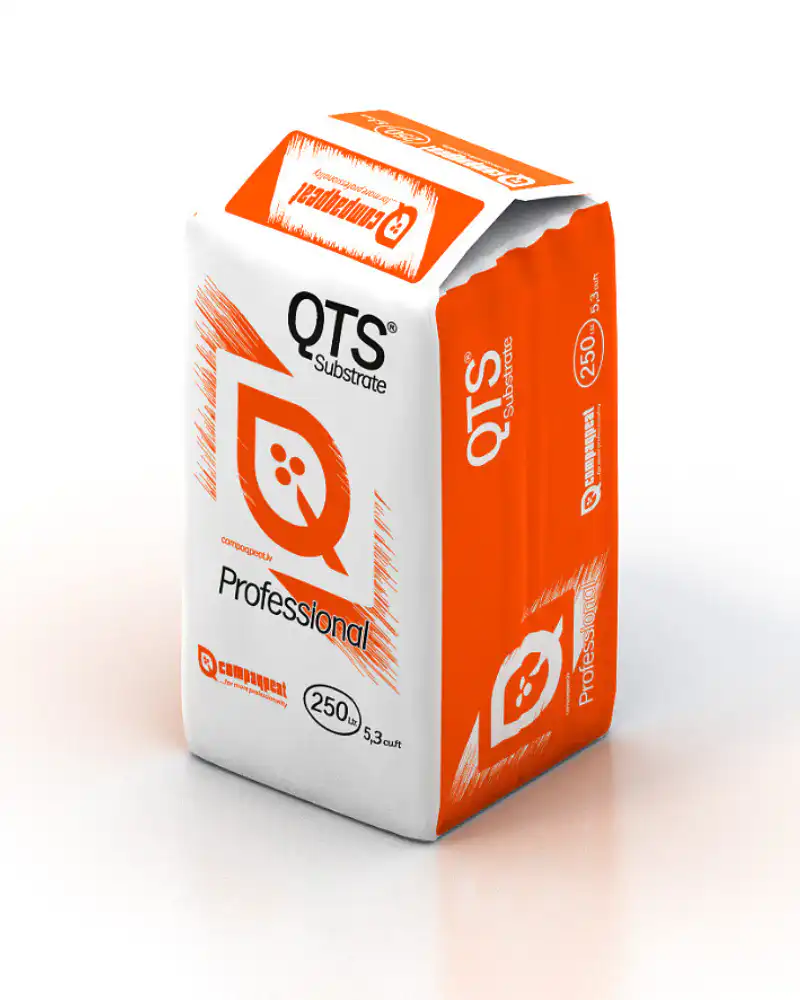
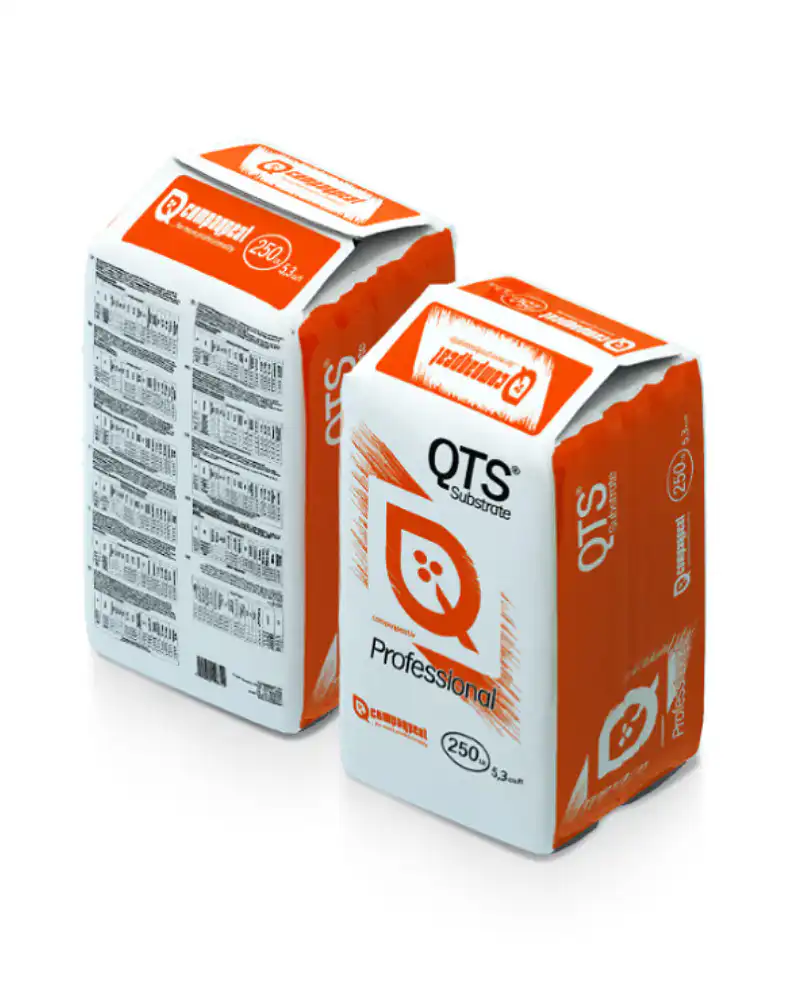
Price range: 3.351,00 RSD through 3.408,00 RSD
Select options
This product has multiple variants. The options may be chosen on the product page

