



It is not without reason that it is said that preparing the soil for planting is half the job. If you don't do all the steps right, everything you plant will, at best, not reach its full potential, and at worst, it will wither even though you put a lot of effort into it.
Even the best quality plants, certified seedlings or well cared for flowers will not thrive if the substrate is poorly prepared.
The root is the "heart" of the plant, and a healthy root needs air, water and nutrients in the right ratio. That is why preparing the soil is not only the first step, it is the most important step that determines how the plant will develop throughout the season.
Read below what preparation of the land for planting entails, as well as what you should pay attention to if you are planting candles, strawberries, raspberries. conifers or other demanding plants specific type of substrate.
Good soil preparation - what does it mean?
Whether you are planting in the yard, garden, greenhouse or pot, the rules for good soil preparation are very similar. The difference is only in shades that depend on the type of plant.
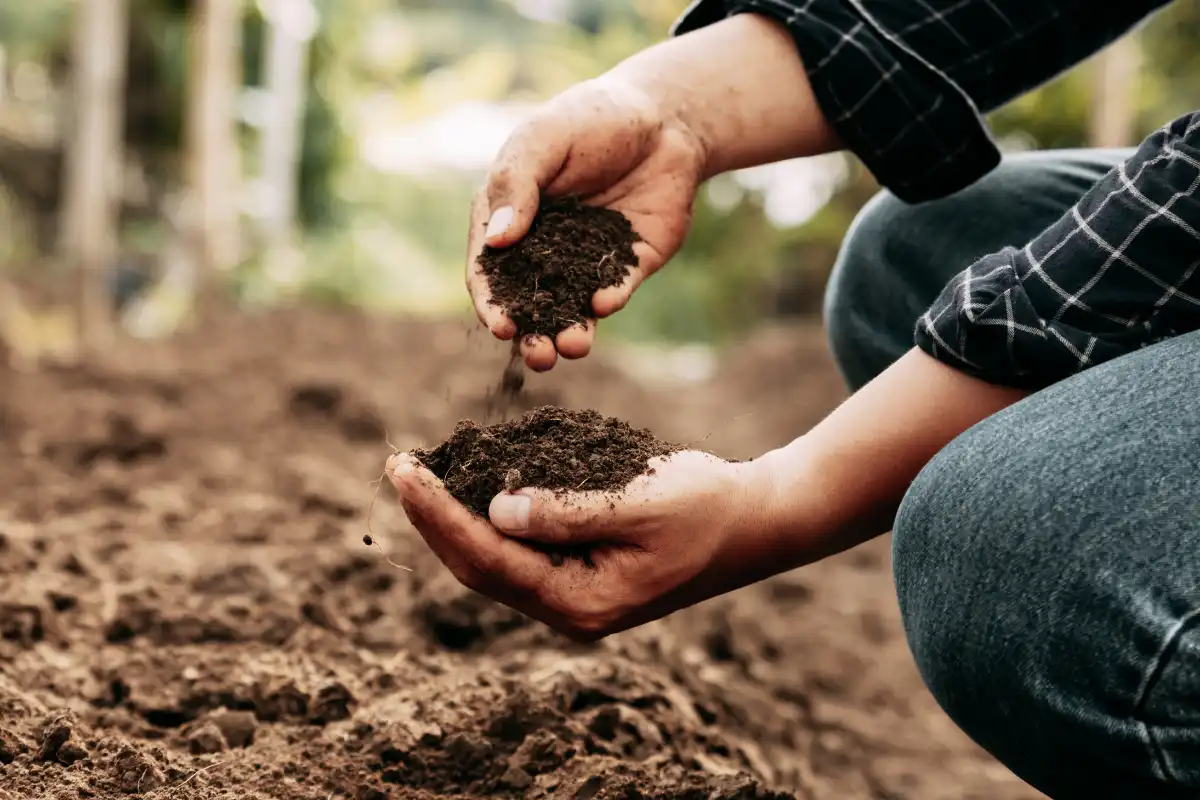
Each plant grows best in soil that is loose, airy enough and rich in organic matter. If the soil is too compacted, the root will not have room to spread and the plant will soon stagnate. Therefore, it is recommended that the soil be first dug up or crushed by hand in order to make it softer and lighter.
Drainage is just as important as soil nutrition. When the water cannot drain away after watering, the root remains in a constantly wet environment from which there is no escape, which leads to rotting, fungal infections and yellowing of the leaves. Therefore, materials such as sand, perlite or expanded clay are often added. They make the soil looser and prevent the creation of "swamp pockets" around the roots.
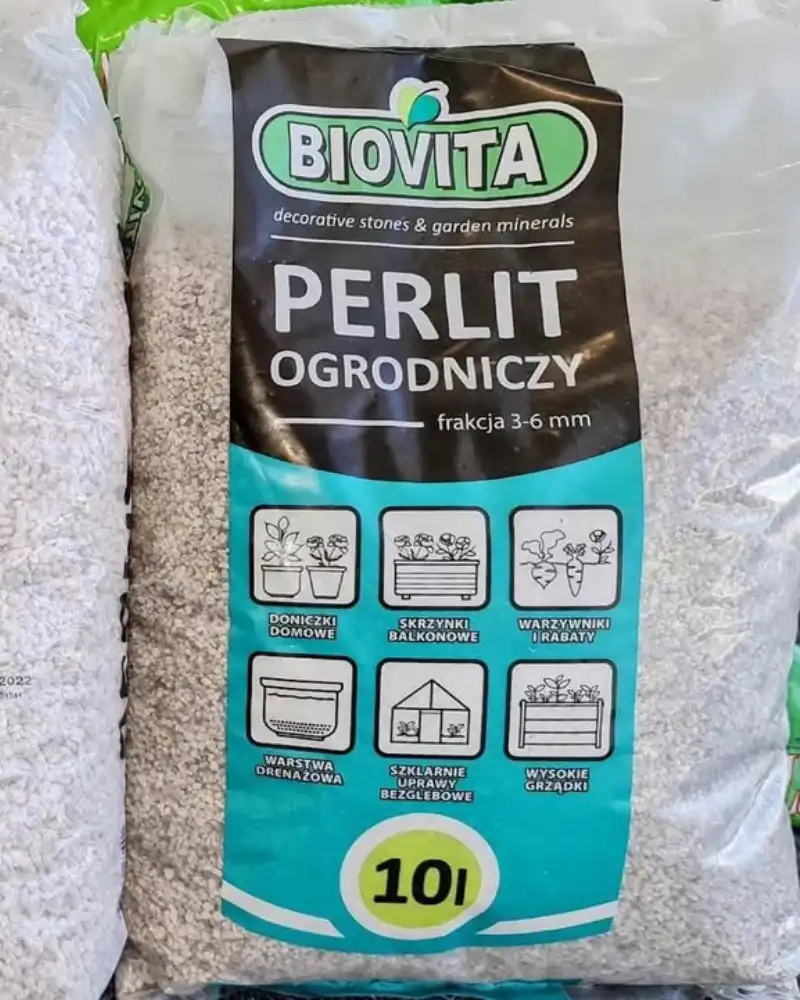
Finally, a quality humus or specialized substrate provides the plant with everything it needs. This is especially important for plants that grow or flower intensively, as well as for fruit, which consumes large amounts of nutrients during the fruit formation phase.
How to prepare the ground for planting flowers?
Flower plants require light and airy soil that does not retain moisture because they have a small but very branched root that should have its own loose proctor in which it can spread unhindered. Before planting, it is important to remove stones, hard lumps and old roots, as they make it difficult to root properly.
If you add a substrate for flowers that contains humus, peat and drainage additives, you will allow the plant's roots to immediately receive the perfect conditions for development.
Planting in pots? In that case, be sure to provide a drainage layer at the bottom. This prevents water from being retained around the roots, which is the most common cause of deterioration of indoor and balcony flowers.
Don't skip an important step - Always press the soil gently with your hands, but don't compact it too much to keep air pockets in the substrate.

How to prepare the ground for planting strawberries?
Strawberries are sensitive to excess moisture and never do well in soil that sticks and cracks. A combination of loose soil, humus-rich substrate and materials that provide good drainage is ideal for strawberries.
You will create ideal conditions for it if you dig up the soil to 25-30 cm, then mix it with substrate for strawberries or a quality universal substrate with the addition of peat.
Strawberries respond particularly well to raised beds, because water naturally drains from them, so the roots are not retained in wet conditions.
Keep in mind that well-prepared soil means bigger, healthier fruits and a longer period during which the plant will bear yields.
How to prepare the ground for planting raspberries?
Raspberries require deep, loose and nutritious soil. Their roots quickly penetrate deeper layers, so it is important to work the soil at least up to 40 cm.
If you add compost, humus or a specialized substrate for fruit, you will improve the structure and increase the capacity of the soil to retain moisture without excessive retention.
Raspberries like a slightly acidic environment, so it is often necessary to add acidic peat to stabilize the pH value.
An extra layer of mulch around the plant can significantly help prevent soil drying out and suppress weeds. This step will also protect the root from temperature fluctuations throughout the year.
How to prepare the ground for planting conifers?
Conifers, such as thuja, pines and spruces, require soil that is slightly acidic and well-drained. Too wet or clayey soil can cause the needles to turn yellow and the roots to rot.
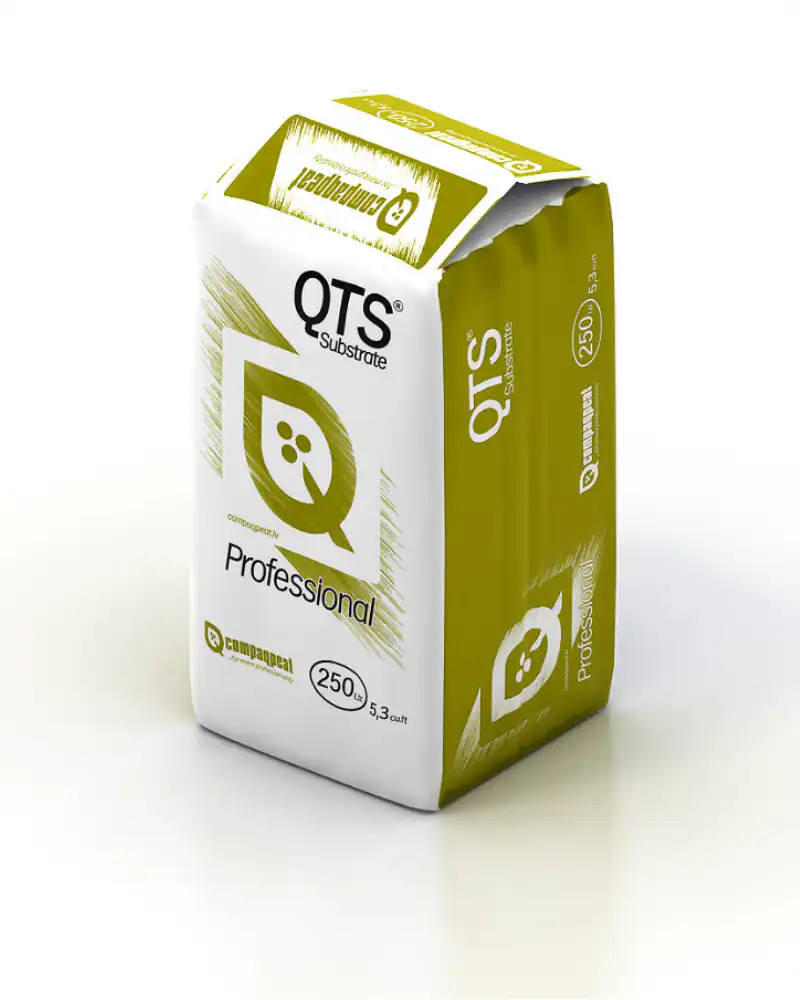
That is why the hole for planting conifers is always made wider than sod, and the soil is mixed with substrate for conifers, sand or perlite. All of this together helps to improve ventilation and prevent water retention.
So, you need to keep in mind that conifers like stable moisture, but they can't stand "wet roots". Properly prepared soil provides them with an ideal combination of moisture and air, which will ensure that they take root faster, but also that they are more resistant to drought, frost and high temperatures.
Why is the right substrate the key to successful planting?
A substrate is not just a supplement. It is the most important part of soil preparation. Quality substrates are made to provide optimal pH value, excellent drainage, ideal ventilation and even moisture distribution.
When you use the appropriate substrate for a certain type of plant, you significantly reduce the risk of plant disease, improve its growth and ensure a stable and healthy root.
In addition to all that, you will ensure that your plant is fed, and plants that are planted in properly prepared soil have stronger immunity, more beautiful color, more flowers and a more abundant crop.
Price range: 1.140,00 RSD through 3.534,00 RSD
Select options
This product has multiple variants. The options may be chosen on the product page
Price range: 105,00 RSD through 1.056,00 RSD
Select options
This product has multiple variants. The options may be chosen on the product page
Price range: 684,00 RSD through 2.622,00 RSD
Select options
This product has multiple variants. The options may be chosen on the product page

Price range: 3.351,00 RSD through 3.408,00 RSD
Select options
This product has multiple variants. The options may be chosen on the product page

