



Recently, videos of planting avocados from pits have gone viral. If you've decided to try this trend, feel free to go ahead because it works. This plant is becoming more and more popular with us and every day it takes up more and more space when it comes to recipes and healthy nutrition, from breakfast, to preparing sauces, lunch or as a spread for dinner.
Planting an avocado from the stone is one of those home experiments that bring a little joy to everyone, it is simple, interesting and allows you to observe how a beautiful indoor tree emerges from an ordinary stone after eating the fruit.
Although it is unlikely that an avocado will bear fruit from home conditions, the plant itself grows quickly, is decorative and brings a dose of exoticism to any space. The key to success lies in proper germination, appropriate substrate and patience, because a young avocado has its own pace.
Read below what all the steps you need to take in order to become an expert in planting this wonderful plant.
How to prepare an avocado seed for germination?
In addition to its recognizable taste, avocado is a plant that has a characteristically large stone that occupies as much as one third of the fruit.
If you want to plant this "ball", you need to follow several steps. After removing the stone from the fruit, it is important to wash it gently with lukewarm water and remove the remaining flesh. You should not scratch it or rub it hard. It is enough to be clean and dry.
The stone has a clearly visible lower part, from which the root will later grow, and an upper, somewhat narrower part, from which the sprout will emerge.
Additionally, you can remove the thin brown membrane if you want to speed up germination, but it is not necessary as it will naturally partially peel off during the germination process.
The method of planting avocados with a glass and a toothpick
This method of planting is the most popular, and at the same time it is very visual and practical, especially since you can see what is happening with the stone at any time.
All you have to do is poke the pit with three toothpicks at a slight angle so that it can rest stably on the rim of the glass. The lower part of the stone descends into the water, approximately halfway, while the upper part remains completely dry.
It is preferable to keep the glass in a warm and bright place, but not in direct sunlight. You should change the water every three to five days, as fresh water prevents the growth of bacteria and helps germination to occur faster.
The first sign of life and that "something is happening" is usually a crack that appears in the middle of the bone. A small, white root first develops from that crack, and then a shoot that slowly grows upwards.
Some seeds germinate in three weeks, while others take up to two months, which is completely normal.
The method of planting avocados directly in the substrate
The second method is simpler and more natural, and that is to immediately plant the seed in the ground. If you decide on this option, you need to prepare a pot with a light, loose substrate.
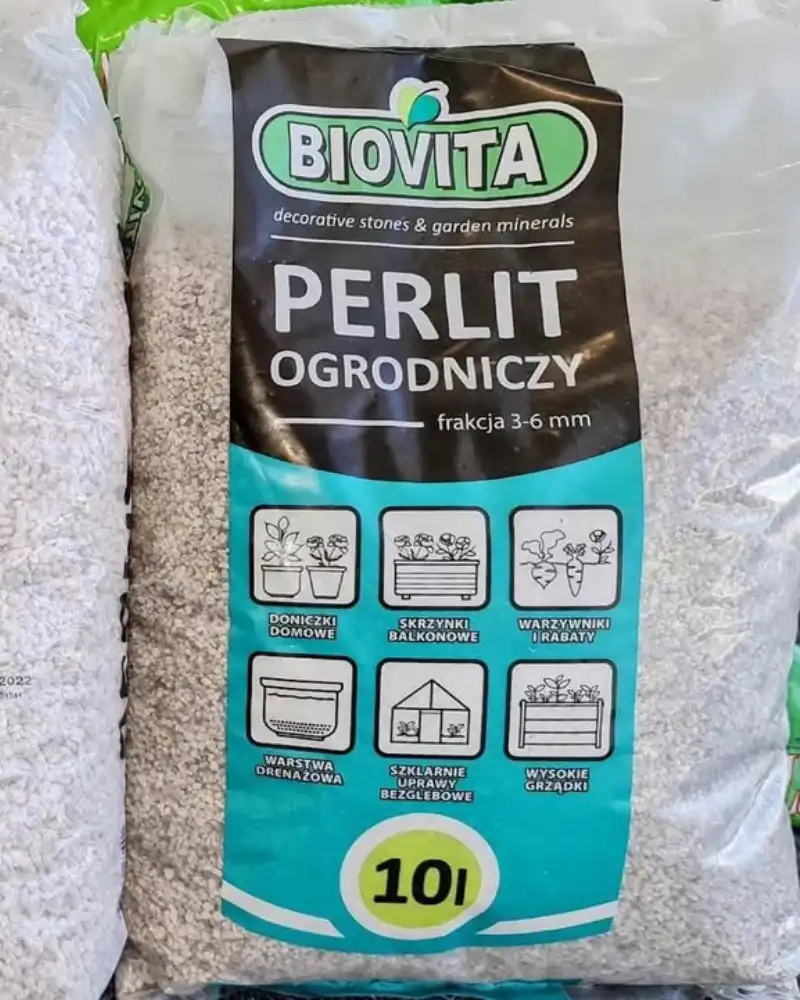
It is best to use a mixture of universal substrate enriched with humus, with the addition of perlite or coconut fibers, so that the soil is airy and well drained.
Place the stone so that its lower side is in the ground, and the upper side is sticking out above the surface. Keep the substrate moderately moist, but never wet. It is best to moisten the substrate with water that you poured into a clean sprayer so that the soil has enough moisture without retaining water.
If you have done everything correctly, a young shoot will appear in a few weeks, breaking through the crack at the top of the stone.
Which substrate suits the avocado best?
Avocados do not like heavy, compacted soils. It grows best in a substrate that is permeable to water, but at the same time rich enough to support initial growth.
A light mixture with perlite or coconut fibers will allow the roots to "breathe" and develop, which is especially important because avocados quickly form long, strong roots.
A quality substrate is very important. At the same time, it prevents water retention, and thus the occurrence of the plant starting to rot, which is one of the most common obstacles in growing avocados at home.
Transplanting an avocado into a pot
If you got the first small shoot, you must be wondering, how do you know it's time to transplant it into a bigger pot? When the plant grows to 15-20 centimeters and develops a few leaves, it's time to get down to business.
It is important that you choose a pot that has good drainage, because avocados do not tolerate standing water around the roots. After transplanting, you should place the plant in a place with a lot of light, but again protected from the strongest rays of the sun during the summer.
As for watering, be careful with that. It should be moderate. Keep in mind that avocados suffer much more from overwatering than from occasional drought. During the warm months, you can feed the plant with a mild liquid fertilizer once a month.
How to care for avocados after planting?
Avocado likes stable temperature, light and slightly higher air humidity. If you notice that the tips of the leaves turn brown, it usually means either that the air is too dry, or that the substrate was too wet. A light misting and proper watering will usually solve this problem.
On the other hand, if you want the plant to be thicker, you can occasionally shorten the top shoot. This will encourage branching and make the avocado look fuller and more decorative.
Growing avocados from pits is a small but beautiful process that requires only a little patience and the right substrate.
Whether you choose to germinate in a cup or plant directly in the ground, watching your small and large work and the plant being born and growing before your eyes will bring you immense satisfaction and a sense of connection with nature.
Although avocados rarely bear fruit indoors, their lush green leaves and interesting tree shape will make them one of the most beautiful decorations in your home.
Price range: 1.140,00 RSD through 3.534,00 RSD
Select options
This product has multiple variants. The options may be chosen on the product page
Price range: 105,00 RSD through 1.056,00 RSD
Select options
This product has multiple variants. The options may be chosen on the product page
Price range: 684,00 RSD through 2.622,00 RSD
Select options
This product has multiple variants. The options may be chosen on the product page
Price range: 3.351,00 RSD through 3.408,00 RSD
Select options
This product has multiple variants. The options may be chosen on the product page

