



It doesn't matter if you are passing by a part of the garden, a pot or a dried bouquet in a vase on the terrace, the smell of lavender will surely make you stop, slow down to rub the leaves a little and enjoy the well-known magical smell of this plant.
Lavender is one of the most beautiful plants to grow in pots, fragrant, hardy and decorative throughout the year. However, although it is considered an easy plant to maintain, lavender is actually very demanding when it comes to the soil in which it grows.
The key to its success lies in the choice of substrate and quality drainage, and below, find out how to ensure the best conditions for it and how to plant it in pots without any problems.
Which substrate suits lavender best?
The unwritten rule is that if the soil stays wet for too long or is too heavy, lavender will quickly start to yellow, wither and rot from the roots.
That's why it's important to give her suitable substrate which is light, loose and fast-permeable, in order to get as close as possible to the natural habitat of lavender on rocky and sunny Mediterranean slopes.
Keep in mind that lavender grows best in soil that is rich in minerals but poor in organic matter. Therefore, it is most important that the substrate is light and airy, so that the water passes through it quickly instead of being retained around the roots. Additionally, the soil must be neutral or slightly alkaline, with pH value which does not go to the sour side.
In practice, this means that the ideal mixture is one that contains a substrate for Mediterranean plants or cacti, because they already have a structure similar to the natural conditions in which lavender grows.
If you add sand or perlite to such a substrate, you will further increase the transparency, while a small amount of garden soil will help to stabilize the substrate.
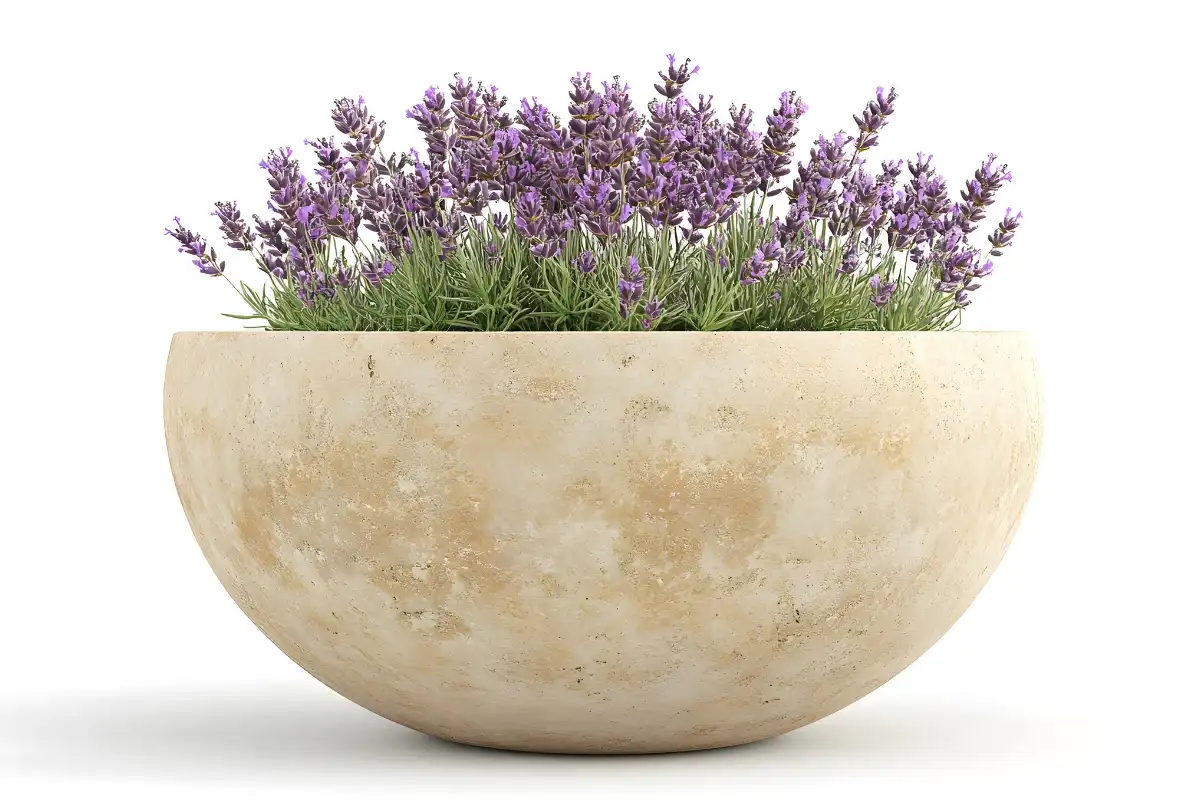
How to choose the right pot for planting lavender?
The pot in which lavender is grown must provide the plant with enough space for root development, but also allow water to flow quickly. That's why clay or ceramic pots are the best choice, because their material "breathes" and reduces the risk of moisture retention. On the other hand, plastic can be a good option, but only if the pot has more drainage holes and if a light substrate with perlite is used to open the air space around the roots.
The holes in the bottom must be large enough for the water to drain freely. At the bottom of the pot, you should put a layer of drainage material: gravel, coarse sand or expanded clay, in order to prevent contact of the roots with excess moisture.
Keep in mind that lavender does not tolerate wet soil, so this layer is a mandatory part of planting and you must not skip it.
How to properly plant lavender in a pot?
Lavender planting begins even before planting itself, with the preparation of the pot and substrate. After you have placed the drainage layer, part of the substrate is poured up to half of the pot. After that, it's the turn of the plant, which needs to be carefully placed in the center, and the root sod can be slightly loosened to encourage the growth of new roots.
The last but not the least important step - When the substrate is added to the top, it is only necessary to lightly press the surface with your hands. You must not compact it because lavender needs air around the roots.
After planting, lavender is watered minimally, just enough to settle the soil. It is important to let the substrate dry out completely over the next few days before watering again.
How often is potted lavender watered?
Lavender is one of the most drought-resistant plants and tolerates a lack of water much better than its excess. During the summer, it is watered only when the substrate is completely dry, while in autumn and winter, watering is reduced to a minimum. If the pot is standing outside, the rain is usually quite enough.
The most important rule is to always spill excess water from the saucer under the pot. If the root is standing in water, the lavender starts to darken, lose its smell and become soft at the bottom, which is a sign that it is starting to rot.
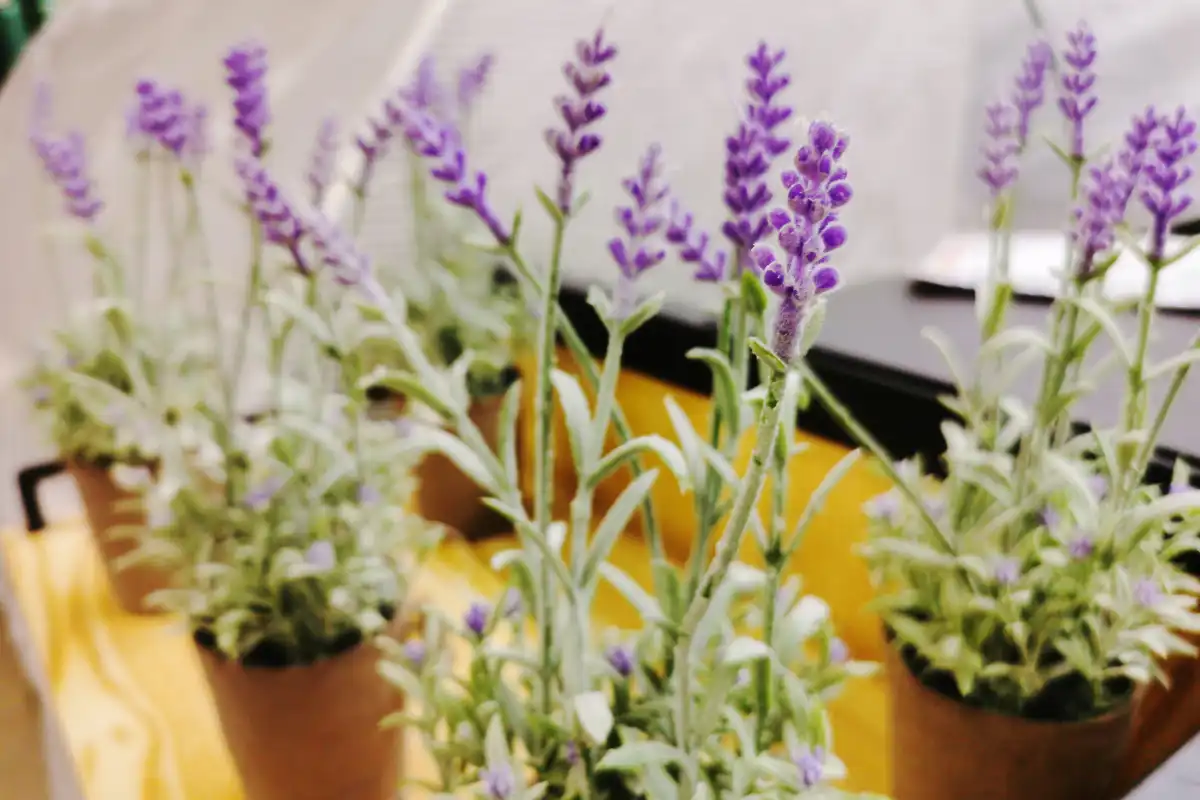
Does lavender need to be fed?
Lavender doesn't really like rich soils and too much fertilizer. In nature, it thrives in harsh conditions, so strong fertilization does more harm than good.
If you want to feed it, it should be done very moderately, usually once or twice a year, with mild fertilizers with a low nitrogen content.
Keep in mind that too many nutrients lead to rapid but tender growth that is not stable, which reduces the resistance of the plant and affects the smell of essential oils.
Where to keep lavender in a pot and how much light does it need?
Lavender is a plant of the sun. The more light it receives, the more beautiful the plant will look, smell and bloom. It is ideal to turn the pot towards the south or southwest, where the plant receives a minimum of six hours of direct light per day.
In shady areas of the garden, on the other hand, lavender quickly loses its compactness, elongates and has fewer flowers. If, on the other hand, you decide to grow it indoors, lavender requires the brightest corner in the apartment, but it is best to take it outside as soon as the weather conditions allow it.
When and how to transplant lavender?
Lavender is transplanted when it outgrows its pot or when the substrate becomes too compact. The best time to transplant is spring, when the plant is actively growing, or early fall, when temperatures are milder.
When transplanting, the substrate is always replaced with a new, light mixture, and the root can be slightly shortened to encourage its branching. The good news is that lavender regenerates quickly when it has enough sun and loose soil.
Lavender is easy to grow only if it has the right substrate and the right pot. A light, well-drained substrate, a clay pot, a sunny spot and moderate watering are the recipe for healthy, compact and fragrant lavender all year round.
With the right substrate and a little attention, lavender will become a long-lasting decoration of your home or terrace.
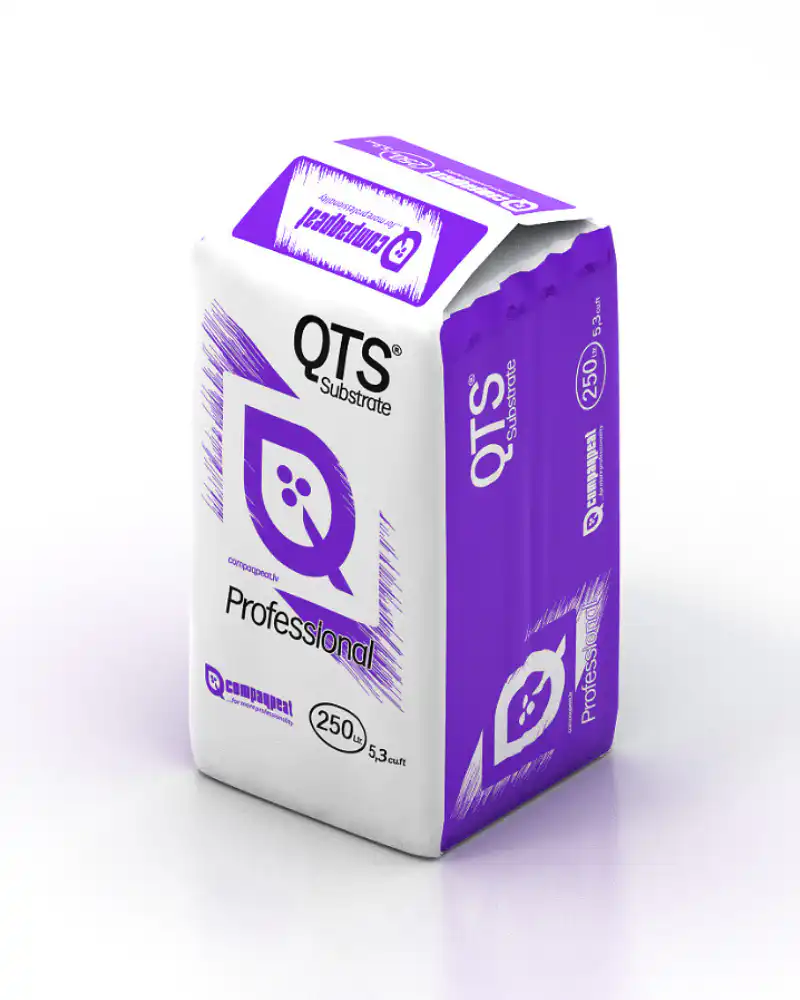
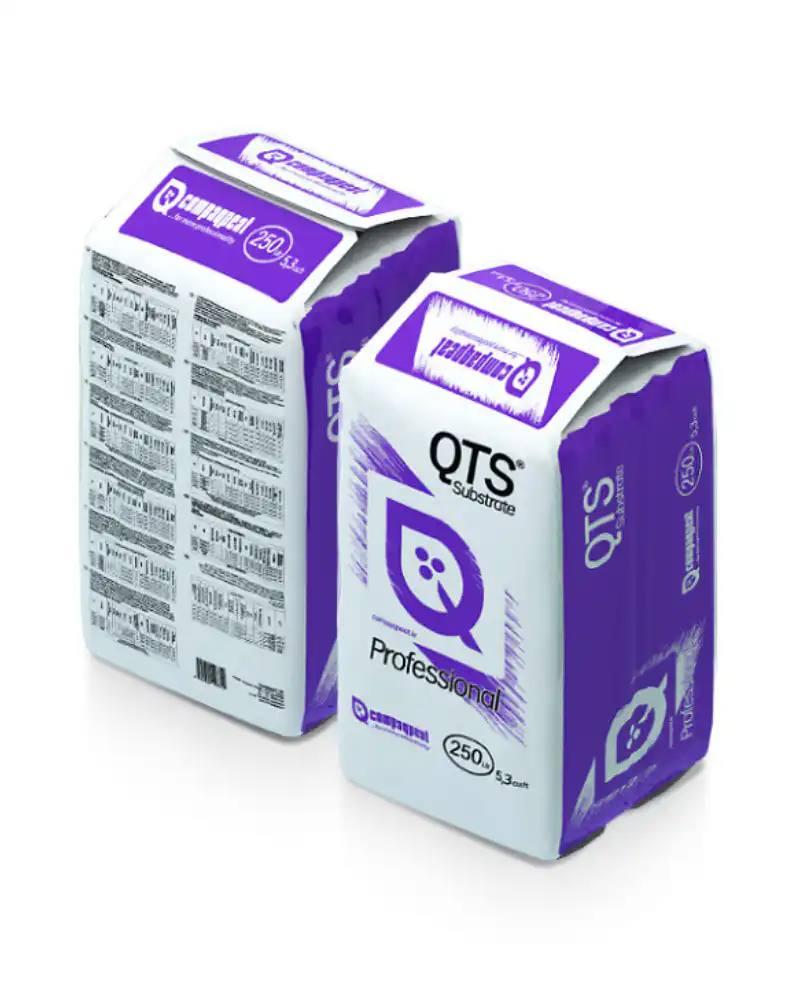
Price range: 1.140,00 RSD through 3.534,00 RSD
Select options
This product has multiple variants. The options may be chosen on the product page
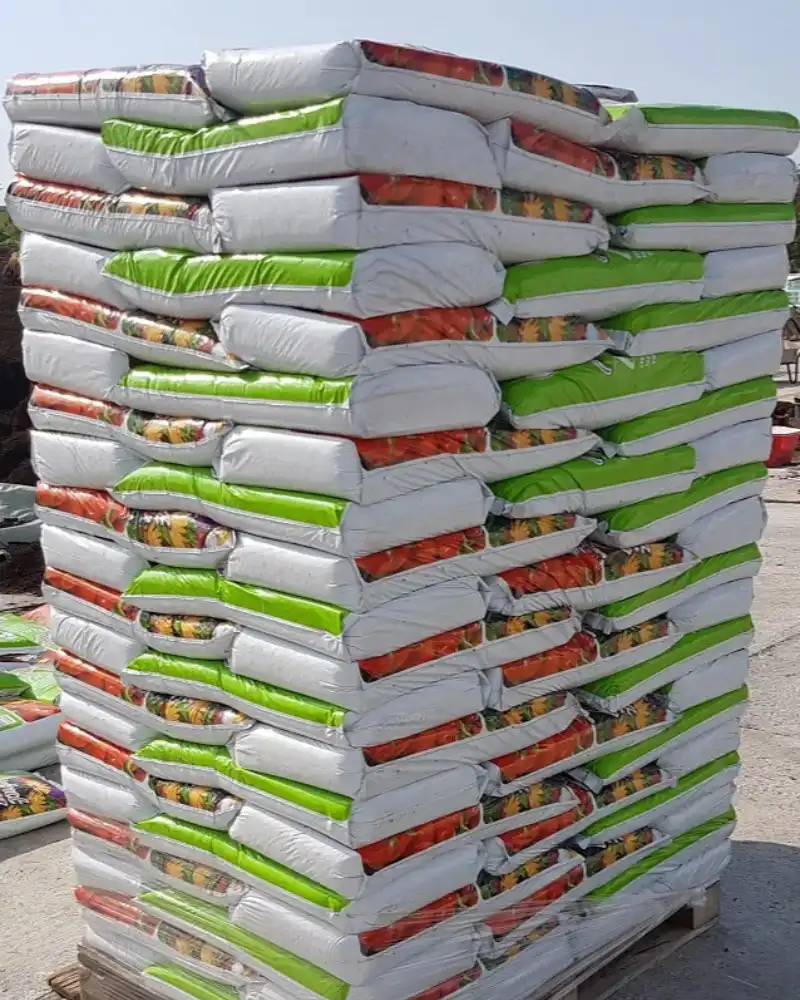
Price range: 105,00 RSD through 1.056,00 RSD
Select options
This product has multiple variants. The options may be chosen on the product page
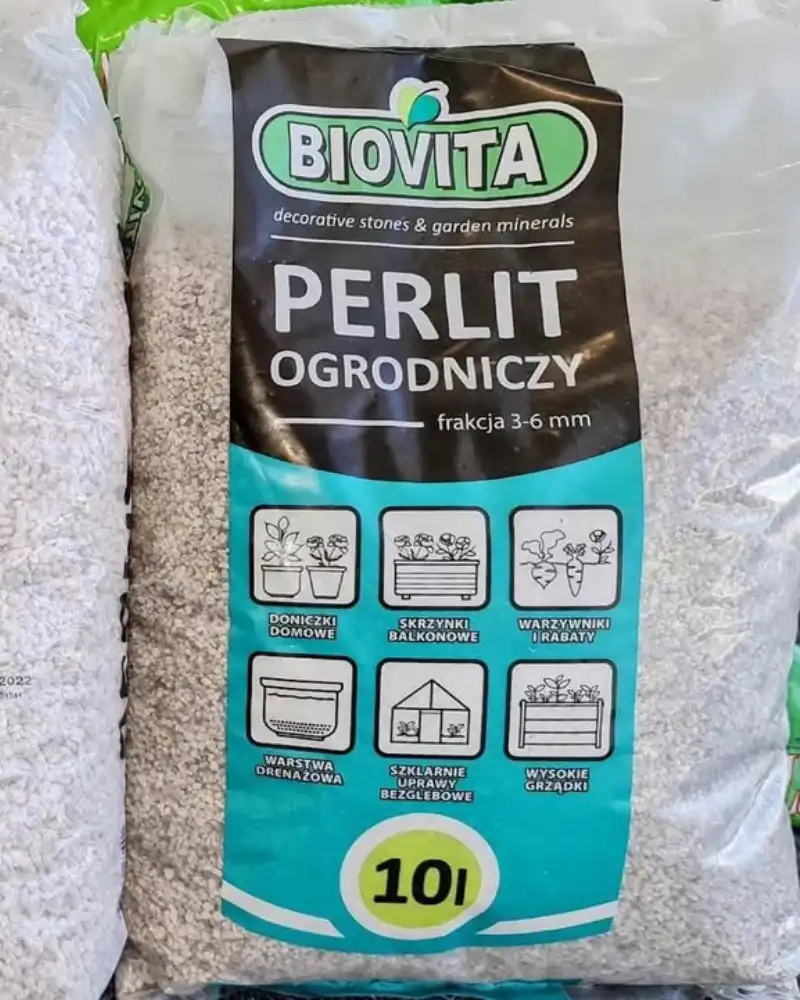
Price range: 684,00 RSD through 2.622,00 RSD
Select options
This product has multiple variants. The options may be chosen on the product page
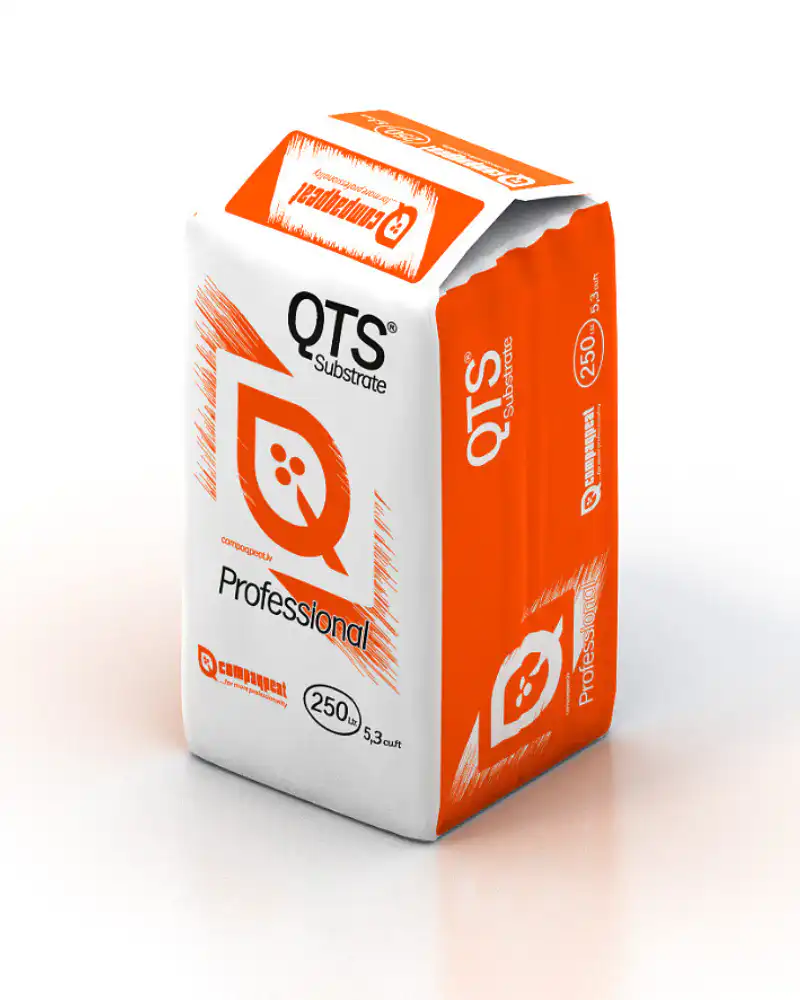
Price range: 3.351,00 RSD through 3.408,00 RSD
Select options
This product has multiple variants. The options may be chosen on the product page

