


Growing flowers from seed is a great way to enrich your garden or balcony, and for just a fraction of the price you would pay for established plants. Of course, the process is a bit more involved and time-consuming, but as you know, the wait and effort are well worth it, because in the end, you'll have plants that are all your own.
Is it difficult to grow flowers from a sachet?
If you know what you're doing – not at all. If you don't, we're here to teach you.
You can grow almost any plant from seed, from vegetables, fruit, and grasses to more complex endeavours such as growing avocado from the stone. The good thing is that this method gives you a much greater choice in terms of variety, than if you were to buy one or two flowers from a nursery or florist. If you also choose plants that self-sow, you can collect the seed and save it for the following season, and then start planting again the next spring at almost no cost.
Is it complicated? Of course not! Although most people look at the various packets, admire the pictures of the plants in full bloom, and then lazily put them back on the shop shelf, thinking, „Who's got all that time?“. However, those who pop even that one packet into their basket know that from that moment on, it all turns into magic. Planting, germination, seedlings, watering and, at the end of it all, the enjoyment of looking at something you've managed to grow yourself – it's priceless.
A must-read if you're buying flowers in bags!
When buying flowers from a packet, be sure to check the label. If you are shopping in May or June, you might buy flowers whose sowing time has already passed, as they were meant to be sown back in February. Furthermore, some seeds are sown directly in the garden, while others must be carefully planted in pots or kept in water. Therefore, don't buy based solely on the beautiful picture on the front; read the back of the packet in detail. It contains everything you actually need to know.
What to look for on the packaging label?
Most packets of flower seeds provide you with the basic information you need for growing. On them, you can read when to sow, the ideal germination temperature, how to continue growing and watering, and when you can expect to see the full result of your work – flowering. The details vary from manufacturer to manufacturer and can be minimal, but they are usually depicted on all of them with a graphic, diagram or picture. So let's take a look at what that looks like.
For example, we take the flowers of Lepa Kata and Ladolež.
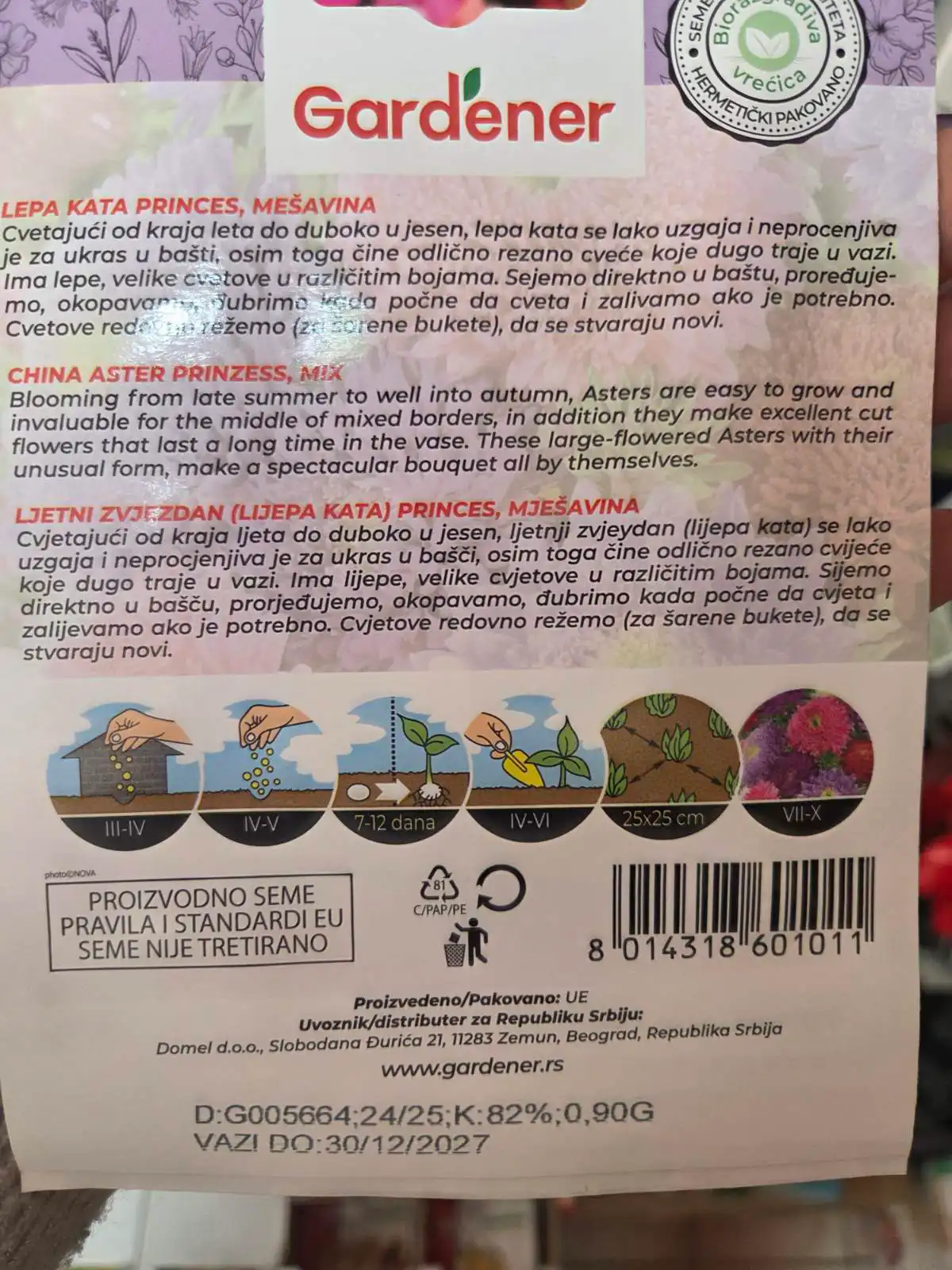
| Type of flower | Beautiful Kata | Ladolež |
| Indoor planting time | March and April | From March to May |
| Outdoor planting time | April and May | June |
| Emergence time | 7-12 days | 7-14 days |
| Time for planting out | From April to June | May and June |
| Spacing between transplanted plants | 25 cm | 30 cm |
| Flowering time | From July to October | From July to October |
Planting flowers from a sachet – what do you need to get?
-
Pots and containers
Besides the seeds themselves, you will need pots. Although some plants are sown directly into the garden, in the case of potted plants you must get the appropriate ones. Choose standard-sized pots, but the best option is several smaller ones to serve as a starting point, as you will eventually need to transplant the seedlings into other pots or into the ground when the time is right. Pots are an excellent choice because you can use potting compost, which will help you avoid potential fungal infections, rot, and problems with insects and other pests.
Plastic yoghurt pots are also a good option for this purpose, but do not overfill them with seeds, as the roots will become crowded during germination and will be torn when transplanting. Less is more, in every aspect. Avoid buying single-use pots or flimsy pots that deform; it's better to invest in a good quality pot from the outset, which will last you for years, and you can move it indoors as needed for some houseplants.
-
Substrate
The substrate is actually the first and most important thing, but the second thing we mention in the text. Do not use last year's soil from pots, soil dug up from the garden, or anything similar. Old soil is already depleted from other plants, and soil from the garden or woods can be full of microorganisms, bugs, earthworms and parasites. Furthermore, such soil is not loose enough, and watering creates a hard crust that a fine and delicate seedling cannot break through when germinating.
Choose multipurpose substrate which can be used for most plants. It is loose, rich in nutrients essential for the plant and makes a superb base for sowing flowers from seed.
-
Labels
When you plant several types, especially in identical pots, you can be sure you'll forget what's where. Even if you think you won't, by the time you turn around to add a few more seeds, you'll have forgotten! And in a month's time, you won't have a clue which plant is in that pot on the far left. You don't need to buy special labels or run to the bookshop to get some; just write the plant names and sowing times on a piece of paper and stick it to the pot with ordinary Sellotape.
-
Bright place
Some seeds require more or less water to germinate, some like to be planted in the ground in February, while others prefer a warm June. After planting, move the containers away from the wind and severe cold, but be sure to provide them with light!
-
Extra tip
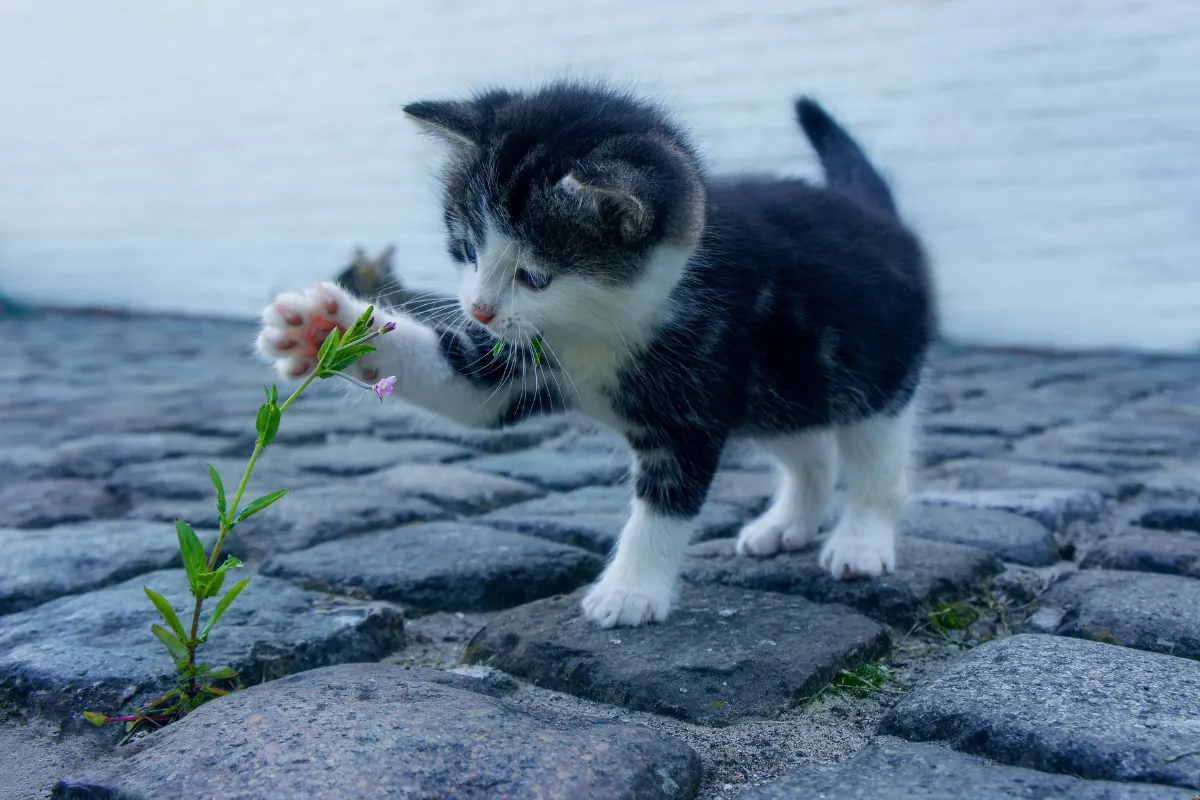
Keep plant pots away from animals, especially cats, which like to use a sunny pot as a bed or a toilet.
Now that you have a complete guide to planting from seed, we believe you're 100% ready to be sipping lemonade in the shade this summer, with a view of the beautiful flowers. So, pop down to the nearest florist, garden centre, or even your local supermarket, as you can sometimes find flowers in packets there too. Good luck, and may all your flowers flourish!

