Mould on the surface Flower beds This means that ideal conditions for the development of fungi have been created in your potting compost. This does not necessarily mean that your plant is in complete danger or that it will necessarily dry out, but it is certainly a reason to take action.
Read on to find out why mould forms on potting compost, how to remove it, and how to protect your plant's roots from fungal rot.
Why does mould form on houseplants?
The mould appearing on the surface of the potting compost is actually the visible part of fungi that are naturally present in the substrate in the form of microscopic spores.
The spore has in soil for planting They normally float in the air, and when they land on a suitable surface, they germinate, developing hyphae, and from the hyphae, new mycelium. This is how moulds reproduce, and the surface of food or soil becomes covered with an entwined network of white, green or black threads.
The top layer of the substrate is the ideal place for their development because moisture is retained there, the most organic matter is found, and there is contact with the air. Although the decomposition of organic matter is a natural process in soil, in a closed system such as a pot, mould becomes a visible and recurring phenomenon if the conditions are not changed.
What are the main causes of mould forming on the surface of the soil in plant pots?
Now that we have described the process of mould formation, let us list the most common causes that lead to its development:
1. Too much moisture in the soil
This is the first and most common cause of mould growth. If the plant is overwatered and the substrate is not allowed to dry out, fungi have the perfect conditions to develop at a rapid rate.
2. Poor drainage in the pot
You know that every pot must have airflow, which depends on the drainage holes in the bottom of the pot and the drainage layer beneath the plant's roots.
So, if the pot doesn't have drainage holes at the bottom, or the water has nowhere to go, the moisture will remain, the soil will „suffocate“, and mould will form on the surface.
3. Poor air circulation around the plant
Believe it or not, every plant needs its own personal space. This means you must leave it enough room, space it away from the wall, and keep it in well-ventilated rooms so that it can “breathe”.
In support of this, mould will first appear on standing plants:
- in the corner
- close to the wall
- in a poorly ventilated room
This is particularly true for the winter period when the plant is crowded in a corner of the room, lacks sufficient air and light, and is overwatered.
4. Organic matter in the soil
This is a perfectly natural cause, as any good quality flower soil often contains:
- reset
- compost
- wood fibres
This is ideal food for fungi, especially if the soil is constantly moist and the plant is in semi-shade.
5. Low room temperature and high humidity
Often, to get them through the winter, we put plants in lofts or unheated basements where there is consistently high humidity and low temperatures. These are the perfect conditions for mould to grow, just as it does on walls or on food stored in basements and cold rooms during the winter.
Now that you know the causes, it will be easier to prevent the substrate from becoming mouldy. If it does appear, read below to find out exactly what you should do.
How to remove mould from potting compost so it doesn't come back?
When mould appears on the surface of the soil, it is important to act systematically, as the problem will not be solved if you simply remove the surface layer of mould from the soil. To prevent the mould from returning, you need to:
- Remove the top layer of soil
Carefully remove a 1–2 cm layer of topsoil and discard it. This layer contains the greatest amount of fungal mycelium and spores, so its removal is the first and most important step.
- Check watering
Water the plant only when the soil is dry a few centimetres below the surface. Constantly moist substrate provides ideal conditions for mould growth, so adjusting the watering is key to resolving the problem.
- Ensure good drainage
Check if the pot has drainage holes for excess water. If water remains in the pot or saucer, moisture is retained in the soil and mould will quickly reappear.
- Improve the topsoil
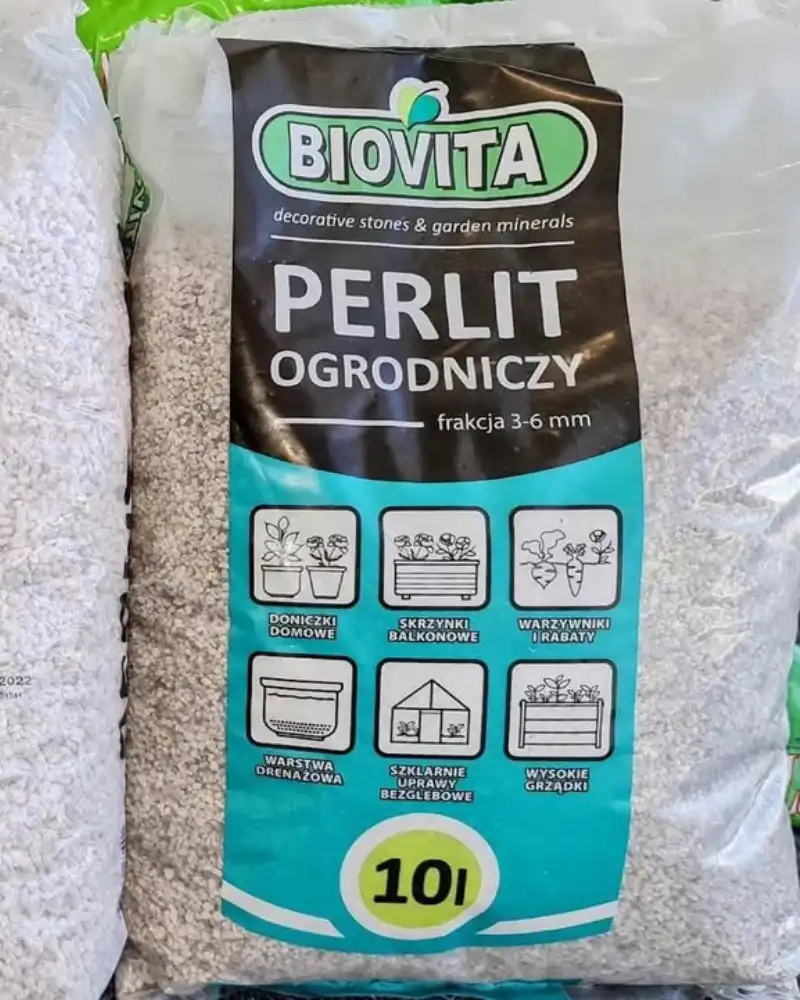
Spread a thin layer of perlite, sand or fine gravel over the surface of the soil. This layer allows moisture to evaporate more quickly and reduces conditions favourable for fungal growth.
- Improve the conditions in the space
Move the plant to a brighter and better-ventilated spot. Poor air circulation and lower temperatures further encourage the growth of mould, especially during the winter months, so place the plant in a sunny spot and away from walls.
- Add homemade preparations
You can't get by without household kitchen remedies, so use their power when it comes to a mould problem. Sprinkle a little cinnamon over the surface of the soil once you have removed the top layer of mould. Cinnamon is a natural antifungal and will certainly help. Occasionally, add a solution of water and apple cider vinegar to the soil, but only around the rim of the pot and very diluted; never near the roots.
- Repot the plant if necessary.
If mould keeps returning despite everything, the substrate was probably retaining too much moisture or is already microbiologically unbalanced. In that case, repotting into fresh, high-quality and more porous soil is a permanent solution.
How much does mould growth depend on potting compost?
Which potting compost you buy is actually the main factor in whether your pot will become full of mould. It is important to know that mould does not appear solely because of watering, but also due to the very composition of the soil in which the plant is situated.
Some substrates contain a large amount of organic matter, such as peat and compost, which are a natural food for fungi. Such soils retain moisture easily, especially in the confined conditions of a pot, and are therefore more conducive to the growth of mould. On the other hand, quality, well-balanced substrates contain additives such as perlite, sand or coconut fibres, which improve drainage and allow for better air circulation within the soil. It is this very aeration that prevents moisture from being retained for long periods and makes the development of fungi more difficult.
That's why it's important to always pay attention to which country the substrate is from, as well as what plant it is intended for, because a correctly chosen substrate reduces the long-term risk of mould and contributes to healthier plant growth.