



Are you really paying attention to what is important when choosing a substrate for your plants? Many plant lovers choose the substrate based on the price, the appearance of the packaging or the brand, but the real quality is always written on the declaration.
It is on this small piece of paper that there is key information that determines whether the substrate will be loose, whether it will let water through, whether it will compact, how it affects the roots and whether the plant can properly absorb nutrients. The declaration is, in fact, an "identity card"“ substrate and the most important guide when shopping.
Below we explain what each piece of data means and how to interpret it so you can always choose what suits your plant best.
pH value - the most important information on the declaration
pH value indicates whether the substrate is acidic, neutral or alkaline. This is one of the most important parameters, because it directly affects whether the plant can absorb food from the substrate.
If the pH is outside the optimal range, the plant may appear as if it lacks water, light or fertilizer, although the real problem is actually inadequate soil acidity.
Acidic substrates (pH 4.5–6.0) suit plants such as hydrangeas, blueberries, rhododendrons and conifers. Most houseplants thrive best in a slightly acidic to neutral substrate (pH 5.5–6.8), while Mediterranean species such as lavender and rosemary prefer a slightly alkaline environment (pH 6.8–7.5).
It may happen that the information is not specified. If there is no pH value on the declaration, it is the first sign that the substrate is not standardized, and it is advised to choose one that you can use with certainty.
Substrate fraction
The fraction indicates the size of the particles in the substrate and is one of the main indicators of its quality.
- Large fraction, which contains larger pieces of peat, perlite or coconut fiber, provides better root aeration and careful water permeation, which is ideal for orchids, monsteras and air-loving plants around the roots.
- Middle fraction is the most common in universal substrates and is suitable for most indoor plants.
- Fine fraction - finely ground, it is intended for sowing and picking because it allows the tender, young root to easily pass through the loose, smooth structure.
If the type of fraction, the proportions of the components or a visual description of the granulation is indicated on the declaration, this is a reliable sign that the substrate has been carefully formulated.
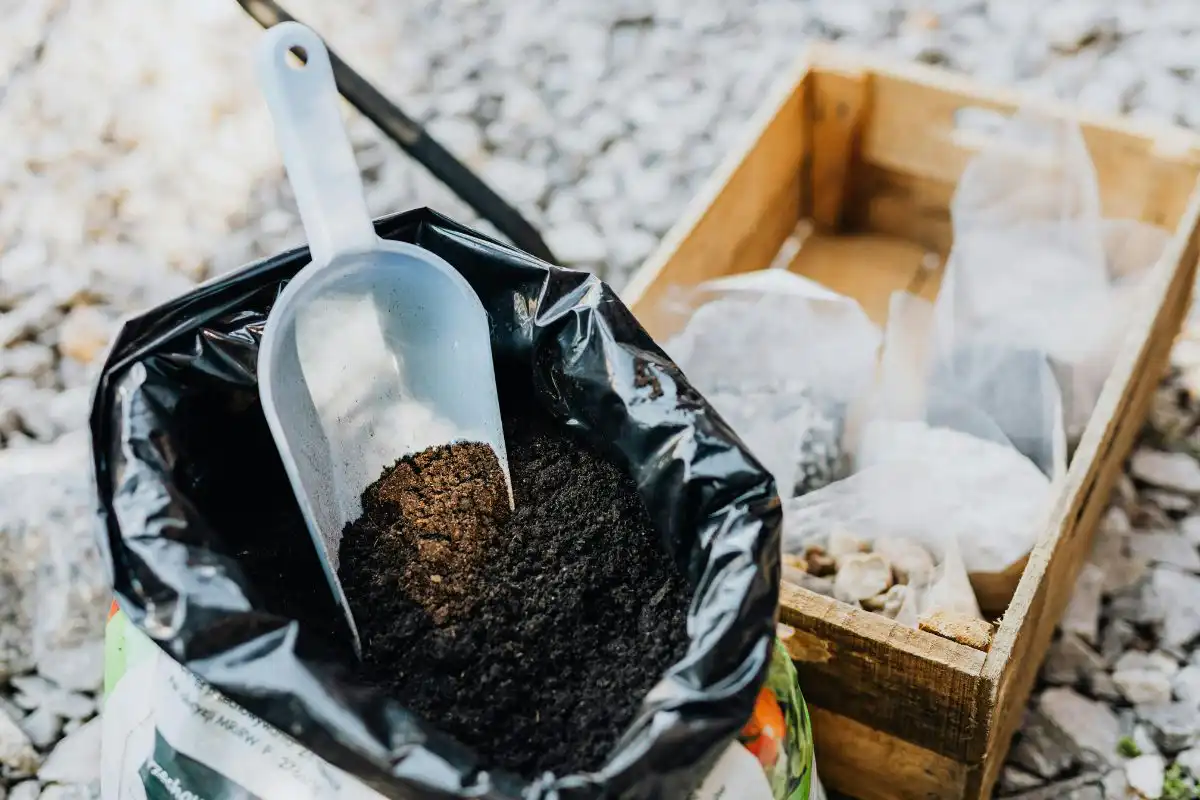
EC substrate
EC (electrical conductivity) shows the amount of soluble salts in the substrate. Although many of these salts are nutritious, too high a concentration can cause root drying, curling of leaves, or stunted plant growth. Young roots are particularly sensitive and often suffer from substrates with too high an EC value.
For most indoor plants, the ideal EC ranges from 0.5 to 1.3 mS/cm, while substrates intended for sowing should have an even lower value, between 0.3 and 0.5 mS/cm.
Plants that like richer soils can tolerate slightly higher values, but never those that exceed the upper limit of the specified range. That's why this information is valuable because it allows you to immediately recognize a substrate that may be too intensive for young or sensitive plants.
Substrate composition - why is it important?
The name "universal substrate" often misleads buyers because universal does not mean "for all plants".
The substrate may have too much peat, which makes it prone to compaction, it may be without perlite or sand, it may not have sufficient aeration, it may be based solely on coconut fibers, i.e. more stable, but requiring additional nutrition, or containing compost that provides nutrients but increases EC.
Therefore, the declaration is the first source of information that will tell you whether a certain plant is really compatible with the substrate you are buying.
How reliable is the declaration as a quality indicator compared to a visual inspection of the substrate?
The declaration is a reliable indicator of quality because it states everything that is determined by the certificate. Namely, in the case of imported substrates, a sample is taken at our border crossing and checked at universities and institutes where it is checked whether what is written in the declaration is correct or not. Therefore, the declaration is a sure indicator of quality.
On the other hand, the visual inspection of the substrate is also important, because the conditions of packaging, preservation, storage, expiration dates and other parameters are also influential, regardless of what is written on the declaration.
How to recognize the quality of the substrate already in the store?
A quality substrate is recognized by a clear, complete declaration. It should contain pH value, fraction, EC, composition and purpose.
The packaging should be well closed, and the substrate should be loose and slightly moist when opened, not completely dry, muddy, compacted or with a pronounced smell of mold.
Substrates that stand for months in the sun, rain and frost often lose all microbiological value and become "dead", which later has a negative effect on the plant's roots.
The declaration is therefore the first reliable sign of quality, not a brand name or attractive packaging.
Reading the substrate declaration is the foundation of successful plant growing. When you know what pH, fraction and EC mean, you will be able to judge whether the substrate will compact, whether it will pass water properly, what nutrients it contains and how safe it is for the roots.
With the right information, every plant can get the conditions it deserves. If you are not sure which substrate is best for your flowers, conifers, orchids or houseplants, our team is here to help you make the right choice.
Price range: 1.140,00 RSD through 3.534,00 RSD
Select options
This product has multiple variants. The options may be chosen on the product page
Price range: 105,00 RSD through 1.056,00 RSD
Select options
This product has multiple variants. The options may be chosen on the product page
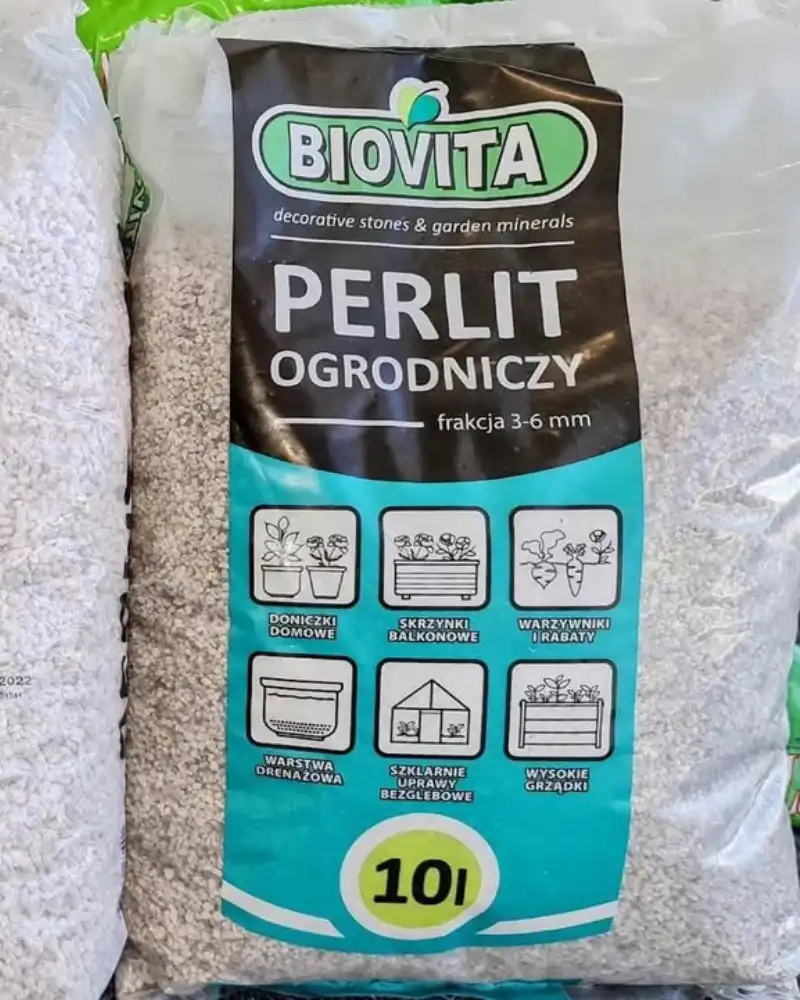
Price range: 684,00 RSD through 2.622,00 RSD
Select options
This product has multiple variants. The options may be chosen on the product page
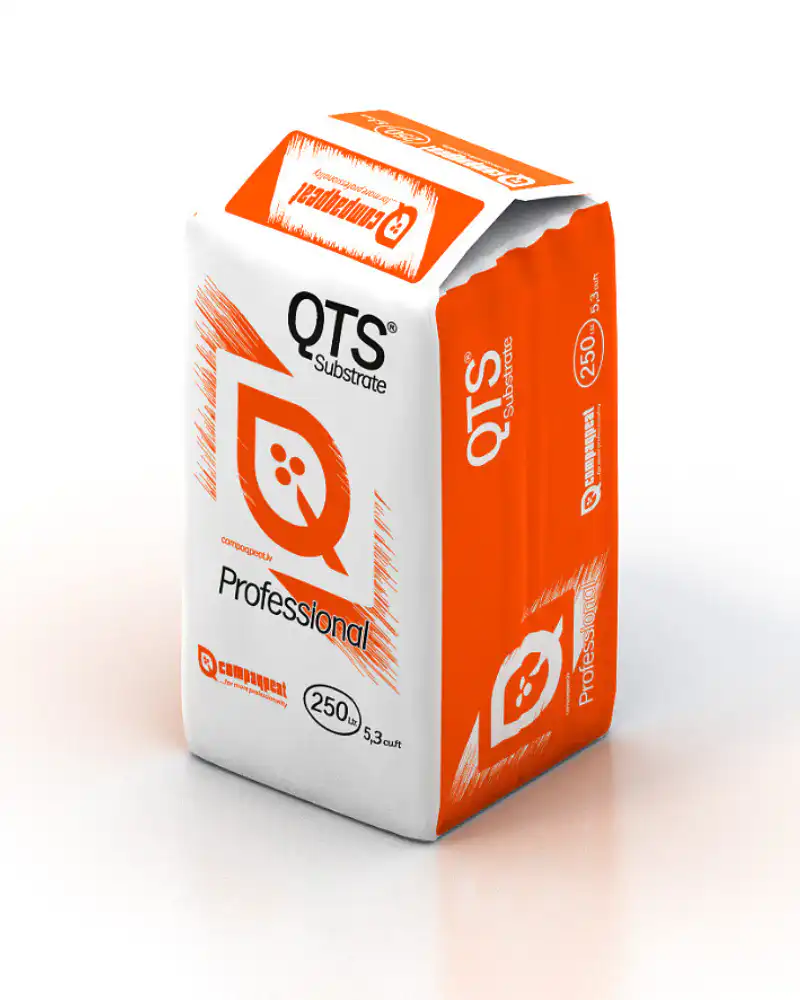
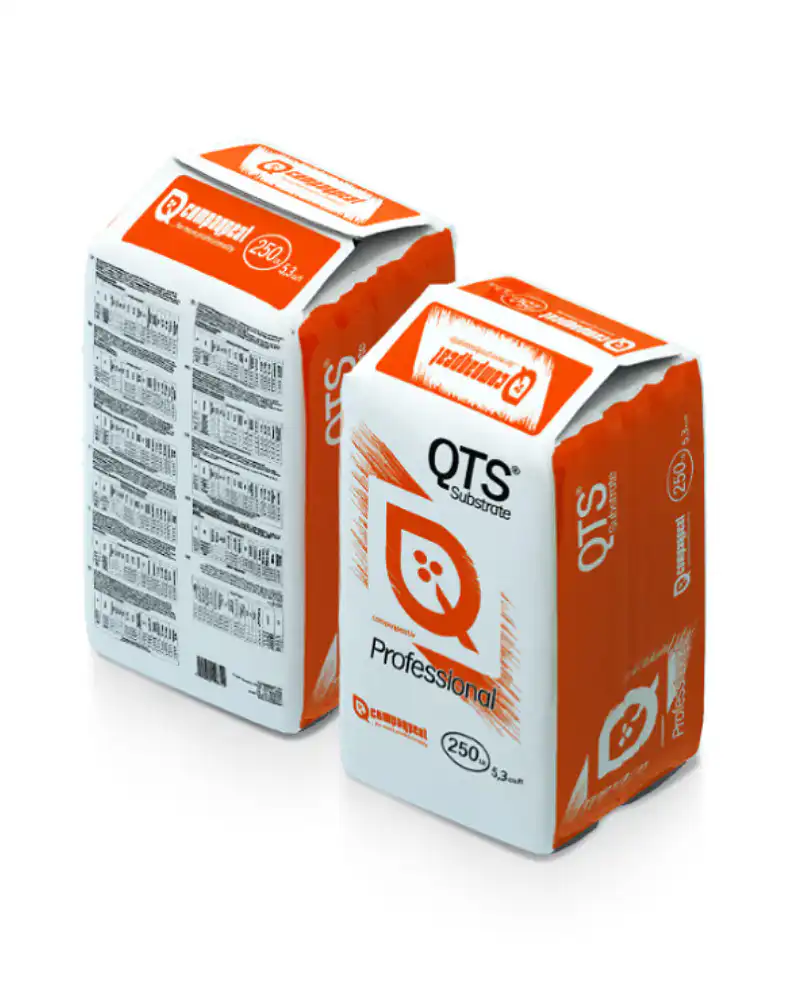
Price range: 3.351,00 RSD through 3.408,00 RSD
Select options
This product has multiple variants. The options may be chosen on the product page

