



Planted a plant but it hasn't grown to its full potential? In that situation, it was probably not clear to you where you went wrong, and it just seemed that way while you watched others succeed in everything "firsthand".
It is possible that you did the planting correctly, but you just did not discover the little scientific secrets of the experienced when it comes to planting plants.
Different plants require completely different conditions for growth, and one of the most important, but also the most often neglected factors, is the pH value of the substrate.
In the rest of the text, you will find out exactly what the pH value of the substrate means, how it affects the growth of your plants, what are the most common mistakes and how to choose the ideal substrate for each type of plant.
What is the pH value and how does it affect the plant?
The pH value represents the degree of acidity or alkalinity of the soil and ranges from 0 to 14. The neutral value is pH 7, while anything below that falls into acidic and above into alkaline soil.
Although it sounds simple, small deviations from the optimal pH can completely disrupt the plant because it affects:
- absorption of nutrients
- root stability
- plant health
- overall growth.
A pH that is too high or too low can block nutrients, cause yellowing leaves, poor growth, wilting or root rot, even when you are watering, fertilizing and lighting the plant adequately.
When the pH is too high (alkaline), the plant cannot absorb iron, manganese, magnesium and phosphorus, resulting in chlorotic leaves, which is reflected in yellow leaves.
On the other hand, when the pH is too low (too acidic), a blockage of calcium and phosphorus occurs, so the plants stagnate in growth, become weak, their leaves fall off and they get sick more easily.
So, at first glance, it may seem to you that the plant does not have enough water or light, but the problem is actually hidden in the pH value of the substrate.
In addition, the pH also affects the microorganisms in the substrate. Beneficial bacteria and fungi do best in moderate values between pH 6 and 7.5.
Which plants like acidic soil, and which like neutral or alkaline soil?
Different plants grow naturally in soil that matches their natural habitat. That's why it's important to understand which group the plant you want to grow belongs to.
Here are some examples of commonly grown plants:
- Plants that like acidic soil (pH 4.5–6.0): hydrangeas, blueberries, rhododendrons, azaleas, conifers, camellias
- Plants that prefer slightly acidic to neutral soil (pH 6.0–7.0): most indoor plants (monstera, ficus, calathea, green lily), tomato, cucumber, peppers, strawberries, most flowers
- Plants that like slightly alkaline soil (pH 7.0–8.0): lavender, rosemary, fig, olive, some succulent species
What happens if you make a mistake? For example, if you put a blueberry in a neutral universal substrate, it will not wither immediately, but will gradually turn yellow and grow more slowly, because the pH is not suitable.
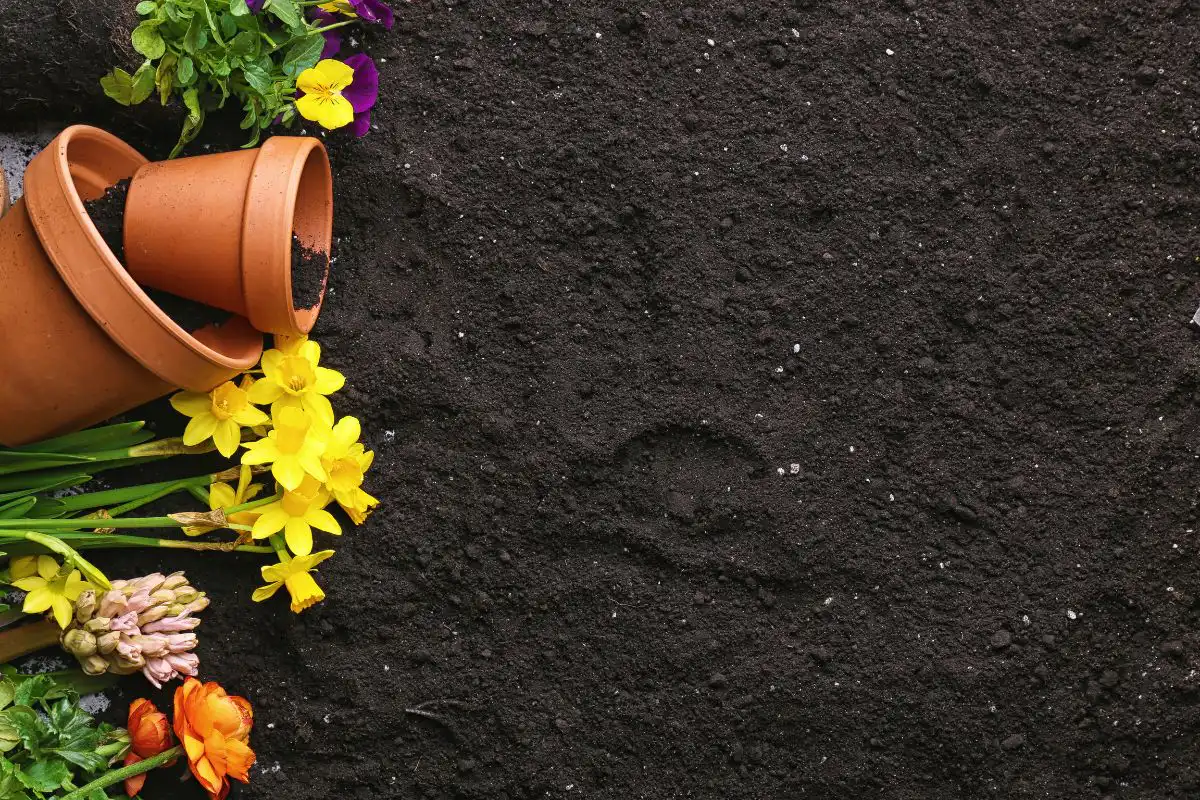
The most common mistakes when choosing a substrate according to pH value
The biggest mistake is rushing and not reading the declaration. Many choose substrates based on the appearance of the packaging, price or brand name, and only later realize that the pH of the substrate does not suit their plant.
Another common mistake is using the same substrate for all plants. Orchid, cypress, hydrangea and monstera cannot grow in the same substrate because they require completely different pH values and structure.
The third problem is the purchase of bulk, custom-made substrate, which is often exposed to the sun, rain or frost and changes its chemical properties and pH. Such substrates often become contaminated with molds, larvae and fungi.
The fourth, but no less important mistake, is neglecting the pH when watering. Tap water often has a pH above 7, so it increases the pH of the substrate in the long term, especially for indoor plants that are rarely transplanted.
How to check the pH of the substrate at home?
There are several ways to check the pH of the substrate without laboratory conditions:
- pH test strips (fast and affordable)
- digital pH meters (more accurate)
- observing plant symptoms (least reliable, but useful)
If you notice that your plant suddenly turns yellow despite proper watering and light, the pH value is often the culprit.
Does the pH change during storage and standing of the substrate?
During storage and standing of the substrate, the pH level does not change. These are peats that have been in the ground for centuries and their pH is neither variable nor affected by storage conditions. In the substrate with added compost, there may be minimal changes in the pH value because the microorganisms from the additives slowly break down the peat. If the peat is clean, its pH will not change.
What does the pH testing process look like in companies that sell substrates?
Substrates that come from imports have their own certificates that precisely state the level of the pH value, and at the border crossing a sample is taken that is taken for testing to the laboratories of institutions such as faculties and institutes, where it is checked whether the level of the pH value is compatible with what is stated in the certificate.
Domestic substrates intended for the hobby program are also checked in authorized institutions, so you can be sure that what is stated in the declaration is true and correct.
What substrate is recommended for indoor plants that are stagnant due to high pH from tap water?
This is a common misconception and many people think that the pH level of the water can drastically affect the plant and its growth. Actually it's not like that.
Whatever the pH level of the water you water your plants with, it cannot change the pH level of the substrate much. Watering can change the pH value of the substrate only if acidification is done with water for plants that like an acidic environment, for example blueberries.
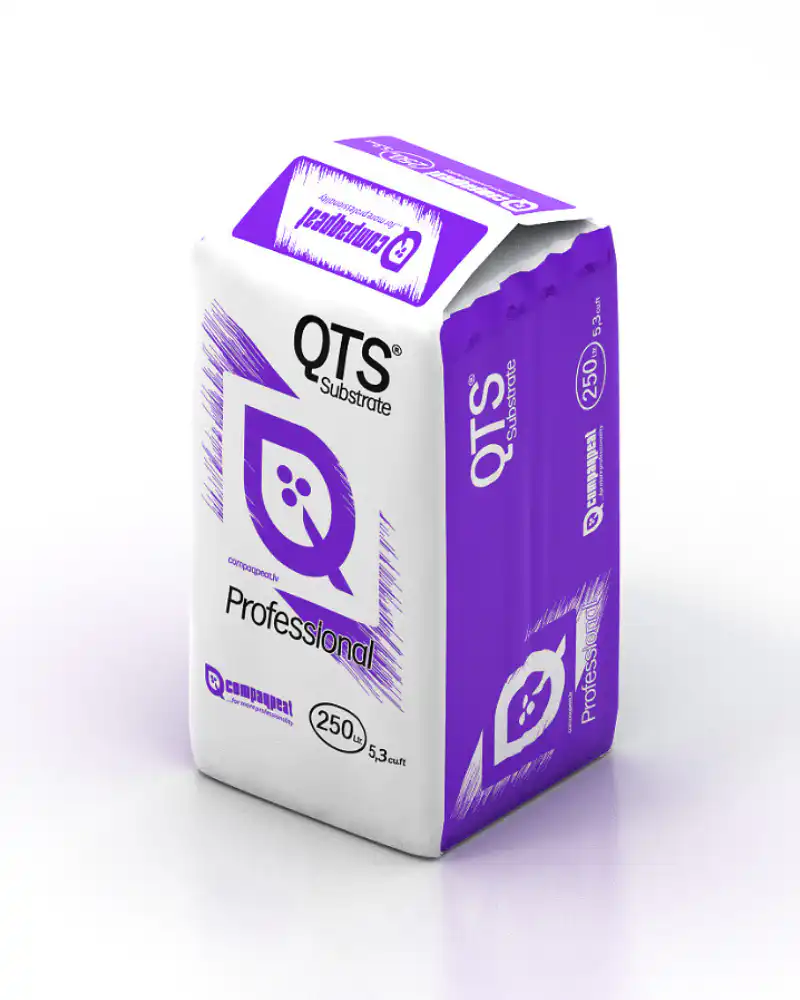
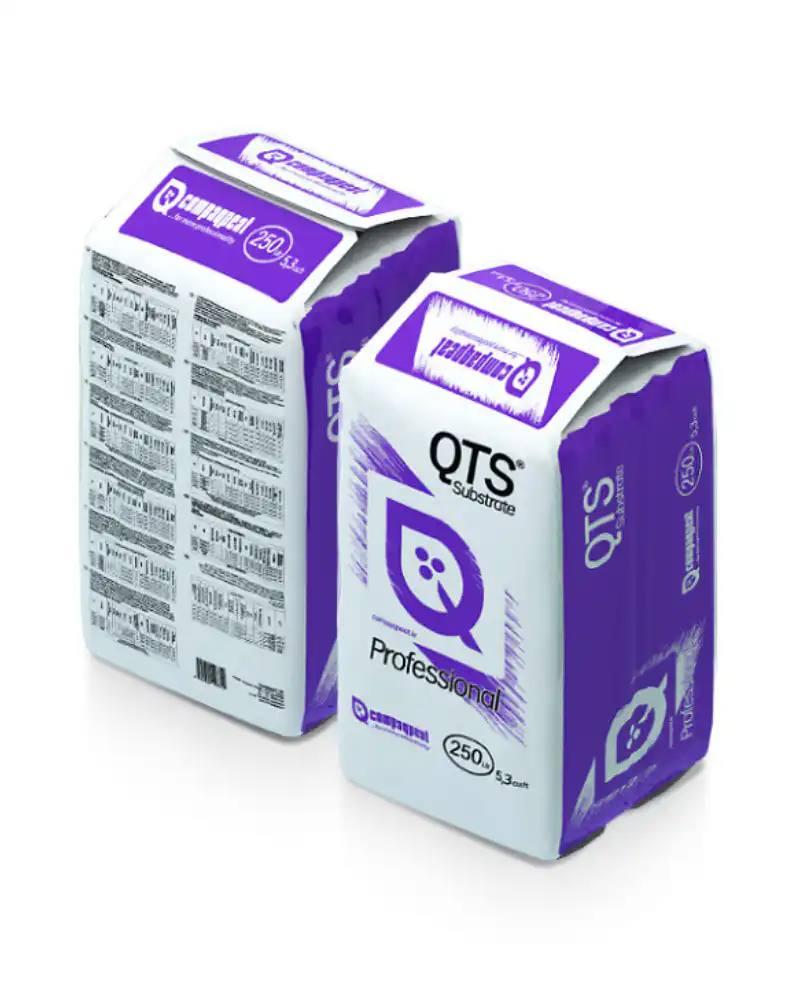
For indoor plants, it is best to use a universal substrate that is used for most plants, QTS, with or without clay additions, according to the purpose and needs of the plant.
How to choose the right substrate according to the pH value?
The most important thing is to first define what plants you are growing and then choose a substrate with a declaration that clearly states:
- pH value
- purpose of the substrate
- structure and additives (perlite, sand, coconut, compost)
- whether the substrate is enriched with fertilizers
- fiber to permeability ratio
Everything requires effort and time, so try to get to know your plants before planting and give them what they like best. Slightly acidic, loose substrates rich in organic matter are best for indoor plants. For plants that require acidic soil, special substrates labeled as "acid loving" or pH 4.5-5.5 are chosen.
On the other hand, conifers, citrus fruits and Mediterranean plants require substrates that have good drainage and a slightly alkaline environment.
Correctly selected substrate pH is one of the most important steps in successful plant cultivation. Even when you have enough light, proper watering and quality care, the plant can stagnate if the pH is not right for it.
That's why it's important to read the declaration, choose proven brands and adapt the substrate to the type of plant you grow.
Our range includes: substrates of different pH structures, carefully formulated for the specific needs of plants, from indoor species to hydrangeas, orchids and conifers.
Price range: 1.140,00 RSD through 3.534,00 RSD
Select options
This product has multiple variants. The options may be chosen on the product page
Price range: 105,00 RSD through 1.056,00 RSD
Select options
This product has multiple variants. The options may be chosen on the product page
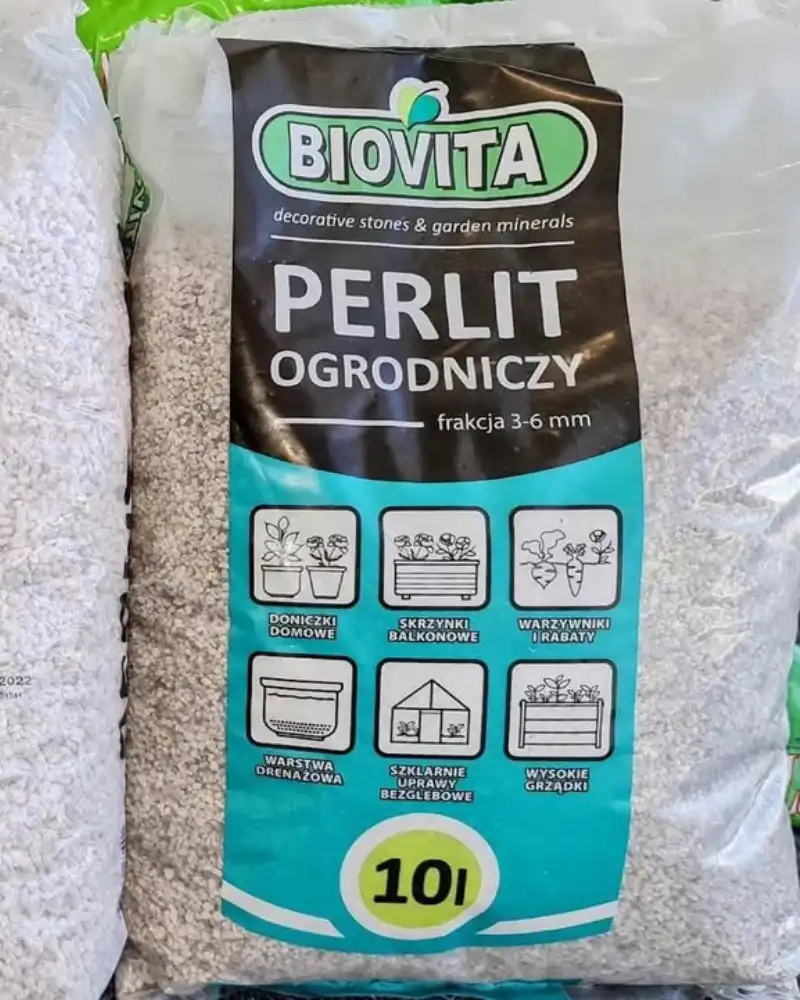
Price range: 684,00 RSD through 2.622,00 RSD
Select options
This product has multiple variants. The options may be chosen on the product page
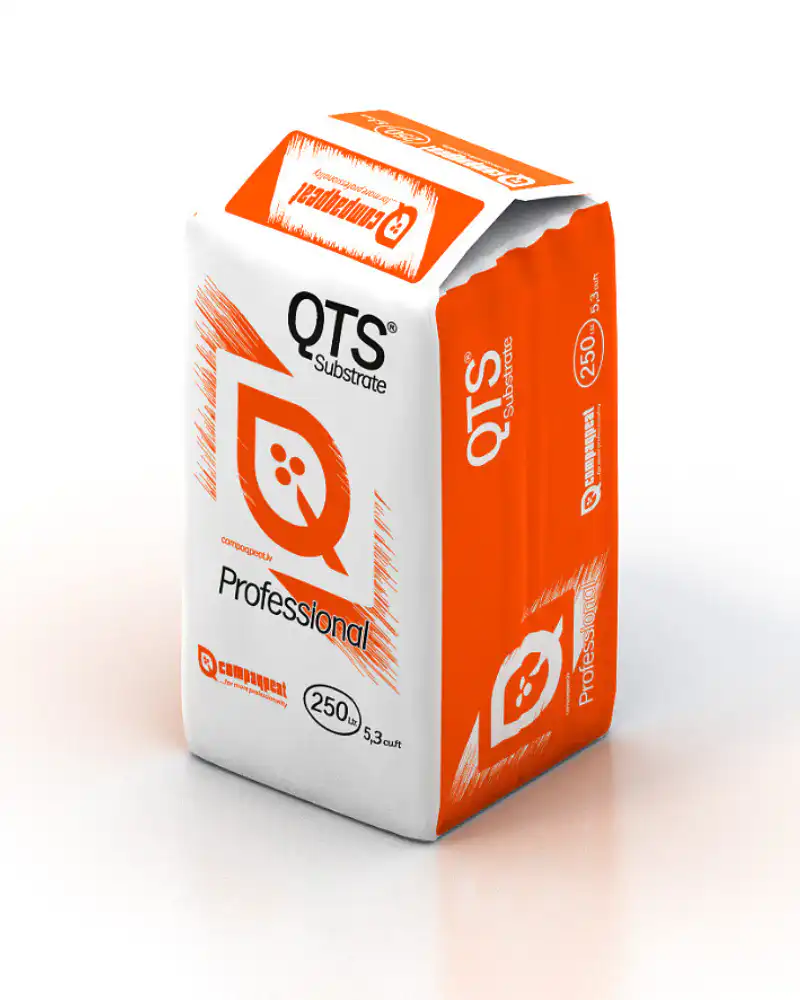
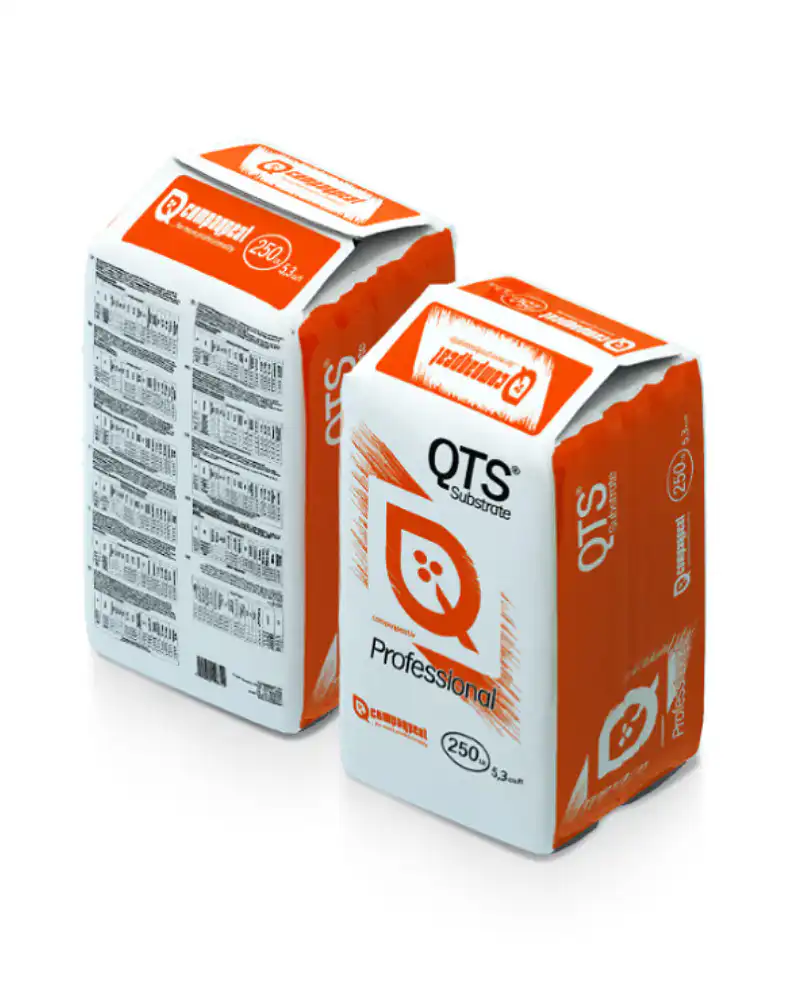
Price range: 3.351,00 RSD through 3.408,00 RSD
Select options
This product has multiple variants. The options may be chosen on the product page

